Ed Friedlander, M.D., Pathologist
scalpel_blade@yahoo.com

No texting or chat messages, please. Ordinary e-mails are welcome.

|

|
 |
 |
 |
 |
 This site complies with the HONcode standard for trustworthy health information: This site complies with the HONcode standard for trustworthy health information: verify here. |
Cyberfriends: The help you're looking for is probably here.
This website collects no information. If you e-mail me, neither your e-mail address nor any other information will ever be passed on to any third party, unless required by law.
This page was last modified January 1, 2016.
I have no sponsors and do not host paid advertisements. All external links are provided freely to sites that I believe my visitors will find helpful.
Welcome to Ed's Pathology Notes, placed here originally for the convenience of medical students at my school. You need to check the accuracy of any information, from any source, against other credible sources. I cannot diagnose or treat over the web, I cannot comment on the health care you have already received, and these notes cannot substitute for your own doctor's care. I am good at helping people find resources and answers. If you need me, send me an E-mail at scalpel_blade@yahoo.com Your confidentiality is completely respected. No texting or chat messages, please. Ordinary e-mails are welcome.
I am active in HealthTap, which provides free medical guidance from your cell phone. There is also a fee site at www.afraidtoask.com.
 If you have a Second Life account, please visit my teammates and me at the Medical Examiner's office. |

|
 |
With one of four large boxes of "Pathguy" replies. |
 I'm still doing my best to answer
everybody.
Sometimes I get backlogged,
sometimes my E-mail crashes, and sometimes my
literature search software crashes. If you've not heard
from me in a week, post me again. I send my most
challenging questions to the medical student pathology
interest group, minus the name, but with your E-mail
where you can receive a reply.
I'm still doing my best to answer
everybody.
Sometimes I get backlogged,
sometimes my E-mail crashes, and sometimes my
literature search software crashes. If you've not heard
from me in a week, post me again. I send my most
challenging questions to the medical student pathology
interest group, minus the name, but with your E-mail
where you can receive a reply.
Numbers in {curly braces} are from the magnificent Slice of Life videodisk. No medical student should be without access to this wonderful resource.
 I am presently adding clickable links to
images in these notes. Let me know about good online
sources in addition to these:
I am presently adding clickable links to
images in these notes. Let me know about good online
sources in addition to these:
 My team:
pathology.org -- my cyberfriends, great for current news and browsing for the general public
pathology.org -- my cyberfriends, great for current news and browsing for the general public
EnjoyPath -- a great resource for everyone, from beginning medical students to pathologists with years of experience
Medmark Pathology -- massive listing of pathology sites
Estimating the Time of Death -- computer program right on a webpage
Pathology Field Guide -- recognizing anatomic lesions, no pictures
Freely have you received, freely give. -- Matthew 10:8. My site receives an enormous amount of traffic, and I'm still handling dozens of requests for information weekly, all as a public service.
Pathology's modern founder, Rudolf Virchow M.D., left a legacy of realism and social conscience for the discipline. I am a mainstream Christian, a man of science, and a proponent of common sense and common kindness. I am an outspoken enemy of all the make-believe and bunk that interfere with peoples' health, reasonable freedom, and happiness. I talk and write straight, and without apology.
Throughout these notes, I am speaking only for myself, and not for any employer, organization, or associate.
Special thanks to my friend and colleague, Charles Wheeler M.D., pathologist and former Kansas City mayor. Thanks also to the real Patch Adams M.D., who wrote me encouragement when we were both beginning our unusual medical careers.
If you're a private individual who's enjoyed this site, and want to say, "Thank you, Ed!", then what I'd like best is a contribution to the Episcopalian home for abandoned, neglected, and abused kids in Nevada:

My home page
More of my notes
My medical students
Especially if you're looking for information on a disease with a name that you know, here are a couple of great places for you to go right now and use Medline, which will allow you to find every relevant current scientific publication. You owe it to yourself to learn to use this invaluable internet resource. Not only will you find some information immediately, but you'll have references to journal articles that you can obtain by interlibrary loan, plus the names of the world's foremost experts and their institutions.
Alternative (complementary) medicine has made real progress since my generally-unfavorable 1983 review. If you are interested in complementary medicine, then I would urge you to visit my new Alternative Medicine page. If you are looking for something on complementary medicine, please go first to the American Association of Naturopathic Physicians. And for your enjoyment... here are some of my old pathology exams for medical school undergraduates.
I cannot examine every claim that my correspondents
share with me. Sometimes the independent thinkers
prove to be correct, and paradigms shift as a result.
You also know that extraordinary claims require
extraordinary evidence. When a discovery proves to
square with the observable world, scientists make
reputations by confirming it, and corporations
are soon making profits from it. When a
decades-old claim by a "persecuted genius"
finds no acceptance from mainstream science,
it probably failed some basic experimental tests designed
to eliminate self-deception. If you ask me about
something like this, I will simply invite you to
do some tests yourself, perhaps as a high-school
science project. Who knows? Perhaps
it'll be you who makes the next great discovery!
Our world is full of people who have found peace, fulfillment, and friendship
by suspending their own reasoning and
simply accepting a single authority that seems wise and good.
I've learned that they leave the movements when, and only when, they
discover they have been maliciously deceived.
In the meantime, nothing that I can say or do will
convince such people that I am a decent human being. I no longer
answer my crank mail.
This site is my hobby, and I do not accept donations, though I appreciate those who have offered to help.
During the eighteen years my site has been online, it's proved to be one of the most popular of all internet sites for undergraduate physician and allied-health education. It is so well-known that I'm not worried about borrowers. I never refuse requests from colleagues for permission to adapt or duplicate it for their own courses... and many do. So, fellow-teachers, help yourselves. Don't sell it for a profit, don't use it for a bad purpose, and at some time in your course, mention me as author and William Carey as my institution. Drop me a note about your successes. And special thanks to everyone who's helped and encouraged me, and especially the people at William Carey for making it still possible, and my teaching assistants over the years.
Whatever you're looking for on the web, I hope you find it, here or elsewhere. Health and friendship!



A bone to the dog is not charity. Charity is the bone shared with the dog, when you are just as hungry as the dog.
-- Frederic Bastiat
If more of us valued food and cheer and song above hoarded gold, it would be a merrier world.
-- Tolkien, "The Hobbit"
If you say to people, "Go in peace, be warm and fed", but do not give them what the body needs -- what good is it?
-- James 2:16
A hungry man is not a free man.
-- Adlai E. Stevenson
If the misery of the poor be caused not by the laws of nature but by our institutions, great is our sin.
-- Charles Darwin
It is better to ask some of the questions than to know all of the answers.
-- James Thurber
 KCUMB Students
"Big Robbins" -- Environmental / Nutritional
Lectures follow Textbook
QUIZBANK: Nutrition
|
|
LEARNING OBJECTIVES
Describe the causes, symptoms, signs, and impact of each of these epidemic deficiency diseases:
Describe the anatomic pathology and pathophysiology of obesity, and its real impact on health, distinguishing fact from speculation and fiction.
Describe what is known, and what is not known, about the impact of diet on cancer risk.
Describe the extent and impact of world hunger today, and trends affecting the world food supply. Describe the great famines of the last century, and the causes and effects of the 2007-2008 global food price crisis.
Define these terms:
Rationally evaluate pop and media claims about "healthy eating", vitamin supplementation, newly-discovered vitamins, "ideal weight", biotech food, and world hunger as they arise.
INTRODUCTION
This unit should upset you.
Your patients have plenty of good questions about food and disease. There are more fads and nonsense about "nutrition" than about any other health subject, and surprisingly, there are still some basic "unknowns". Any study involving nutrition is "news", and is immediately distorted in the media, ultimately hurting the credibility of science.
Every five years or so, Uncle Sam publishes new-and-different "dietary recommendations for Americans." At one time, "butter" was one of "seven essential food groups." I have watched "official" recommendations for a "healthy diet" change from "the four basic food groups" (promoted by the dairy industry) to the Carter-era veggie-based "food guide pyramid" and George Bush Jr's much more sensible "MyPyramid" (one size does not fit all; exercise and eat what you please within reason) to Obama's "MyPlate" return to a preference for grains, fruits, and vegetables. In 2005, the dread warnings against refined sugar were sensibly dropped, and milk consumption as a protein source was encouraged. Definitions of what a "serving" is vary by over 100% from agency to agency, and the old "food guide pyramid" recommendation to limit animal protein was obviously politics rather than science.
We saw a brief return to Uncle Sam's meat-bashing in 2010, especially in the wake of the Am. J. Med. 169: 562, 2009 review -- you'll recall this huge self-report with the best possible control for confounding variables found slightly more cancer and heart mortality in red meat eaters (which the press hyped), slightly LESS cancer and heart mortality in white meat eaters (which the press ignored), and your lecturer's observation that if people who eat a lot of greaseburgers maybe lied-just-a-litle-bit about their smoking and exercise habits, the effect of eating-red-meat eating vanishes.
"Nutritional advice" in the media is primarily entertainment, and is based around people who typically have bogus degrees cherry-picking the junk journals (the British tell it like it is BMJ 334: 292, 2007).
"Natural food" is food that has been processed as little as possible. There are often gimmicks such as using "sea salt" rather than mined salt, "turbinado sugar" which is simply cane sugar refined in a different way to produce smaller crystals, etc., etc. Many people think this tastes better and/or is safer (an appealing idea that has been marketed extensively -- Appetite 47: 324, 2006). A medline search (2013) shows exactly nothing to suggest that "natural food" is really healthier for people (nothing even in the junk journals). However, such studies would be extremely difficult to do because you have to control for "confounding variables" (for example, the obvious fact that fat people who don't exercise also like to eat the highly-processed greasy stuff.) Blindfolded test subjects asked "Which sample tastes better?" almost always prefer the "natural food", even when they are actually eating exactly the same thing (Appetite 43: 147, 2004). Perception and marketing are everything.
* I look forward to a day in which we can feed our however-many billion people on "organic food grown without artificial fertilizer or pesticides". Obviously, today this is impossible. I'm not interested in arguing about this. Imagine yourself as a child dying in a poor nation from hunger caused by lack of agricultural chemicals -- and knowing that rich-nation faddists were paying extra money for "organic food".
We have far more food in the U.S. than we need, and easy access to all the micronutrients that we need.
Your lecturer is undecided about whether you should recommend a daily vitamin-and-mineral tablet for your average patient who's maybe not got the best eating habits. You shouldn't have to spend much money. See Geriatrics 47: 56, 1992, more recently JAMA 287: 3116 & 3127, 2002 found only theoretical reasons to supplement ($10/year is plenty despite all the hype that this article generated). I hope no one was surprised to learn that multiple vitamins don't cut the risk of cardiovascular events (JAMA 308: 1751, 2012). A placebo-controlled study finally found some benefit in healthy folks and especially in diabetics (Ann. Int. Med. 138: 365, 2003). A study that got hyped extensively suggested that a daily vitamin supplement slows the progression of HIV infection -- but this was in Tanzania, where true vitamin deficiencies are rampant (NEJM 351: 23, 2004).
Many of your patients are taking much more elaborate and expensive supplements, known or unknown to you. ("Americans have the most expensive urine in the world.") The riddle is to find the particular patient whose health will be improved by a particular nutritional supplement. Keep your eyes and ears open.
By contrast, nutritional deficiencies are presently (and have usually been) the poor nations' greatest single health problem, far overshadowing AIDS or any other individual disease.
As used today "undernutrition" and "malnutrition" seem to be synonyms, both implying a diet insufficient to allow normal growth and normal health. The extent of malnutrition in a population is determined primarily by physical measurements.
You already know that the highest-energy (highest-calorie) foods ("low-quality diet") and the most protein- and micronutrient-rich foods ("high-quality diet") aren't the same. In the rich nations, this is hammered home when you're told to "eat healthy". In the poor nations, this is a far more terrible truth -- families choosing a "balanced healthy diet" will go to bed hungry, while those eating "junk food" will have vitamin and mineral deficiencies tomorrow (Am. J. Clin. Nutr. 87: 1107, 2008 -- and it is getting worse). Further, in poor nations where people are not sure there will not be a famine, and homes in the US where they may run out of money to feed the kids between checks ("food insecurity"), they intentionally get fat (Am J. Clin. Nutr. 94: 1740S, 2011).
Simply passing out cheap vitamin supplements to children in the poor nations has an amazingly favorable impact on their health: Am. J. Clin. Nutr. 77: 891, 2003); passing out a multivitamin-with-minerals rather than just iron-and-folate to pregnant woman helps the mother and child greatly (Lancet 371: 186 and 215, 2008 -- Indonesia; follow-up Am. J. Clin. Nutr. 95: 220, 2012), etc., etc. However, the practice allows local "anti-Western" militants to blame these supplements for causing any maternal and childhood deaths (from any cause) that may follow, and many of the locals will want to believe them (Br. Med. J. 324: 791, 2002; Am. J. Clin. Nutr. 75: 659, 2002).
During a fifty-minute pathology lecture, maybe 1000-1500 people worldwide die as the direct or indirect result of malnutrition. A low estimate from before the impact of the "commodities boom" / "world food price crisis" began to be felt fully around the world (BMJ 336: 912, April 26 2008) reported "malnutrition kills about 3.5 million mothers and children under 5 years old each year, and this figure could rise", and estimating that 178 million children are sufficiently undernourished at any one time to have their growth stunted. Your lecturer believes this last number is low. Even in oil-rich Libya, one child in four is obviously growth-stunted (Pub. Health Nutr. 12: 1141, 2009). The fact that malnutrition, poverty, and being unproductive is a vicious cycle is obvious to any thinking person and we are reminded of this in Ped. Clin. N.A. 57: 1409, 2010. The Food and Agriculture Organization's 2004 pronouncement that 5 million children die every year (one every five seconds) from hunger is probably about right (see also Lancet 371: 290, 2008), but it misses the bigger picture. More subtle, early undernutrition leads to permanent underdevelopment of the brain, and diminished intellectual ability (Nutrition 16: 1056, 2000, many more).
The twentieth century ended with the fulfillment of Virchow's prophecy of 150 years ago before. Wherever real democracy and free enterprise have been allowed to develop, the old cycle of oppression, rampant government corruption, poverty, hunger, and overpopulation has been broken. Today this is called the DEMOGRAPHIC TRANSITION.
Contrary to what you've been told by ideologues, hunger is not a zero-sum game. During the 1950's, the world had 3 billion people, and one person in two went to bed hungry. In 2000, with 6.1 billion people, only one person in seven went to bed hungry, average calorie intake was up about 800/day, and the developed nations were even more prosperous.
The price of food matters little in a wealthy country, but when prices go up in a poor community, food consumption goes down, especially consumption of healthy food (lean protein, fruits and vegetables): BMJ 346: F3703, 2013. The 2007-2008 world food price crisis delivered a wake-up call to politicians and scientists around the world. Although the human cost has already been terrible, your writer hopes that at least a few more tyrannical / incompetent governments will be changed and some additional nations get the opportunity to undergo the demographic transition. Your writer also hopes that the crisis will help overcome continued resistance in the poor nations to genetically-modified foods (so apparently do the government food scientists in Canada -- J. AOAC Int. 90: 1440, 2007; biotech food update Sci Am. 297(3): 54-56 and 104-11, Sept. 2007. As of early 2008, Mexico, much of Africa, and the European Union still ban genetically modified crops). I doubt that anyone seriously believes that genetically-modified crops cause disease, but some say that the policy makes sense as a response to the behavior of the corporations involved.
* We hear a tremendous amount today about "the widening gap between the rich and the poor", especially by anti-globalization activists and "progressive" opinion-shapers. But no one is actually claiming that the world's poor today are worse off than in the mid-20th century.
By contrast, in the United States in 2012, because of the widespread collapse of industry and the bizarre politics, 49 million people are food-insecure, and must worry about where their next meal is coming from (Lancet 379: 2139, 2012).
And you can't force people to eat a healthy diet. Many people presenting for lung cancer surgery are clearly malnourished (Ann. Thor. Surg. 95: 392, 2013). Despite USA welfare programs targeted at providing food for families with kids, babies are often malnourished. You'll have to explain to me why this is, but a majority of the poor are reluctant to accept the almost-free baby formula because they don't believe in it: Clin. Ped. 51: 238, 2012.
Obviously, we cannot cover nutrition (or any other subject) in as much detail as we might like. This handout will supply most of what you'll need to begin the practice of clinical medicine on your own, and you should know it at the recall level. You'll also find answers to questions you'll be asked at parties.
* In 1985, the National Research Council (a food-industry pressure group) made political capital by complaining in the media that the MD licensure exams had only 4% of their items on "nutrition-related topics", hence that young physicians' education was woefully misdirected, etc., etc. See Am. J. Clin. Nutr. 65: 568, 1997 (more politicking, but more reasonable).
VEGETARIANISM
Nowadays "vegetarians" usually eat eggs and dairy (eating dairy pretty much defines a non-vegan vegetarian today) but not fish or meat. "Vegans" will eat nothing of animal origin, and may trouble the health-care system over pills in gelatin capsules, etc.
* Many of your vegetarian patients have adopted the lifestyle for ethical reasons, and out of concern for factory-farmed animals and the environment. Whether or not you think this is valid, it is still admirable. (Being a vegan is "a challenge to species-ism" ... and all criticism of vegans for any reason "obscures and therefore reproduces exploitative and violent relations between human and nonhuman animals." -- Br. J. Sociology 62: 134, 2011). You decide.
Instructions for vegetarians wishing to avoid the adverse health consequences (i.e., deficiencies of calcium, zinc, usable vitamin A, vitamin D, vitamin B12, iron, iodine, more) are widely available; the ADA/DCanada guidelines are published in the Can. J. Diet. Pract. 64: 82, 2003.
Of course the more extreme the restrictions, the more dangerous the game is to the patient. Many of these people are victims of disinformation campaigns, and you can help clear things up. Please remember that vegetarian parents usually try to force it on their children, and parents subscribing to vegetarian and/or other "alternative / spiritual / pop" diets cause a great deal of ill-health in children (Ped. Clin. N.A. 56: 1085, 2009).
Despite the "pop wisdom" / "paradigm shift" that a diet based primarily around plant foods is particularly good for you overall, it's hard to find reasoned, sane articles (the most recent review I could find comes from the college that is most strongly associated with the US's largest vegetarian sect: Am. J. Clin. Nutr. 78(S3): 502S, 2003); the most strongly-stated is from an institution and journal of which I've never heard, with a single author (Forum of Nutrition, pp. 147-56, 2005). Part of the problem is that no one can do a prosepctive study -- for example, if diabetics who switch to an educated vegetarian lifestyle seem to get better control, chances are they are also making other healthy lifestyle changes (Am. J. Clin. Nutr. 78: 610S, 2003). What is conspicuously lacking from the literature at present (2013) are studies showing benefits of a switch to a vegetarian lifestyle in diseases that are not otherwise well-known to be modified by lifestyle commitments. The first big (N=64,234) prospective study of vegetarians in the UK showed no measurable difference in mortality overall or from any cause between omnivores and vegetarians (Am. J. Clin. Nutr. 89: 1613S, 2009). The Canadians found their vegetarian athletes doing fine if they planned and their diets were "appropriately supplemented" (Nutrition 20: 696, 2004). And you already know that "I'm a vegetarian / vegan" is often adopted by people to make an eating disorder more acceptable; when the person recovers, they consider the vegetarian phase part of their illness (J. Acad. Nutr. Diet. 112: 1247, 2012). Be alert when taking a history.
* You WILL be asked about T. Colin Campbell's book, "The China Study", a militant work advocating a vegan diet for cancer prevention. Campbell began in the late 1960's as an animal carcinogenesis researcher, and developed a few systems in which protein restriction seemed to slow or prevent progression to malignancy. Since carcinogensis is very complex, it's not surprising that a few systems may be slowed by protein deficiency, which after all slows the growth of everything else. Campbell went on to participate in a major dietary survey in mainland China ("The Cornell China Study"), apparently with the hope of demonstrating that eating protein and/or eating even a small amount of food of animal origin increased the risk for cancer. This was a good idea, since the Chinese in general ate very little animal protein, and if there was an effect at low doses, this would be a great way to find it. There was a book in 1990, but I could find only two journal publications, both as symposium entries which are typically not intensely-peer reviewed. The curious may find them in Am. J. Clin. Nutr. 59-S: 1153-S, 1994 and Am. J. Card. 82: 18S, 1998. In my opinion, neither would have passed serious peer-review. Some of the material actually seems to be designed to deceive scientifically-naive readers -- for example, the observation that blood urea levels correlate with protein intake is exactly what one would expect, since urea is the breakdown product of protein. Others reflect a naive acceptance of government death certificates, which are notoriously inaccurate and dependent on physician whim even in the US, as being accurate under Maoist misgovernment ("There were no recorded coronary artery disease deaths for males <64 years of age among a population of 246,000 males during a 3-year observation period (1973-1975)".) Nor does Dr. Campbell, who links childhood brain tumors and leukemia to eating animal protein, consider the likely that the very-poor probably eat less animal protein and also are less likely to have their children's hard-to-diagnose diseases discovered, or that sickly poor children became victims of the widespread infanticide under Chinese communism. Even a high-school science-fair participant will wonder why neither article compares life expectancy; despite Dr. Campbell's representation that the Chinese near-vegans are healthier than fat-happy Americans, he does not present data that the Chinese lived longer under Mao. The 1998 article discusses "China Study II", saying "We anticipate publication in 1999"; I couldn't find it. There's a great deal of rhetoric, but if Dr. Campbell did indeed have data from China indicating that very low intake of animal protein correlates credibly with the risk of many cancers as opposed to zero intake, he would have published it in a separate, peer-reviewed journal article and it would have created a scientific sensation. On the evidence, he did not do so. Dr. Campbell has not published much since the 1990's, but two articles are notable. A 2003 article (Comp Bioch. Phys. 136: 127, 2003) on which he was sixth author showed the protective effect of fish consumption on atherosclerosis. If he is really such a fervent vegan, this is surprising. A 2002 article in J. Alternative & Complementary Med. 8: 643, 2002 on which he is seventh author promotes water-only fasting to control high blood pressure. (Go figure -- you're just sodium-depleting yourself. Basic physiology, Dr. Campbell.) Before you let somebody who's read "The China Study" bully you into becoming a vegan, please recognize that there are problems. Dr. Campbell could be right, but so far he hasn't demonstrated it.
PROTEIN-ENERGY MALNUTRITION ("marasmus-kwashiorkor")
Marasmus ("wasting"; "dry starvation") is the result of deficiency of total calories, while kwashiorkor is the result of deficiency in protein. Classically, the victims are children.
KWASHIORKOR ("wet starvation"):
This often follows the birth of a younger sibling, who displaces the baby from the breast.
Lack of protein causes low serum albumin (contributing to edema -- worst in the legs "because of the atrophic fat"), and deficiency of other essential proteins such as those that carry copper and iron, and enable the liver to burn and export fat (i.e., these children become anemic, and develop fatty liver, though not cirrhosis).
For one thing, these kids have almost no peroxisomes in their livers, which probably contributes to the fatty change (Am. J. Clin. Nut. 54: 674,1991). Unlike children with marasmus, children with kwashiorkor are unable to metabolize fatty acids, and this probably contributes to kwashiorkor's worse prognosis (Am. J. Clin. Nutr. 83: 1283, 2006).
Children are edematous, dull, and apathetic, and may not eat even if protein-rich food is offered. They may have abundant subcutaneous fat, reflecting sufficient calories.
Look also for depigmentation on the skin and hair (one version is that "kwashiorkor", a West African word, means "red child"). The "flag sign" on the hair reflecting a period of poor nutrition, and dermatitis ("paint flakes", probably pellagra from tryptophan deficiency), especially on the shins.
Eventually, a vicious cycle between protein deprivation and loss of the villi, microvilli, and disaccharidases (notably lactase) of the gut. The protein-losing enteropathy is caused at the molecular level by loss of enterocyte heparan sulfate proteoglycan (Am. J. Clin. Nutr. 89: 592, 2009 -- Zambia famine). This cycle may take several days to break when re-feeding begins. (Future gastroenterologists: You may see this in working up adult malabsorption, too.)
* In the famine in Southern Sudan, edema or very low mean upper arm circumference (i.e., the arm muscles have been catabolized) indicate likely death even if refeeding is begun ( Am. J. Clin. Path. 98: 335, 2013).
{46292} kwashiorkor
{46293} kwashiorkor
{46294} fatty liver in kwashiorkor
MARASMUS:
These patients exhibit emaciation (i.e., extreme loss of muscle and fat), "monkey faces", extreme growth failure, and extreme hunger. They remain alert.
{46291} marasmus
Marasmus and kwashiorkor tend to overlap, and to be exacerbated by the concurrent infections to which the children are already more vulnerable. (Remember noma, in which the oral bacteria overgrow and invade, causing necrosis of the face.) There is no agreement on the exact nature or extent of brain damage that remains after adequate nutrition is restored; it is clearly substantial (Lancet 338: 1, 1991; Sci. Am. 274(3): 38, 1996).
In contrast to the cachexia of cancer, marasmus responds readily and easily to refeeding (Surg. Clin. N.A. 91: 653, 2011).
Marasmus-kwashiorkor in Tibetan children: NEJM 344: 341, 2001. No, the Beijing government cannot simply blame the altitude for stunting and sickness in these kids.
Even nowadays, older folks in the hospital can get protein-calorie malnutrition from hospital fare, and/or being kept "nothing by mouth" without another source of nutrition (JAMA 281: 2013, 1999). This is an ongoing scandal in many "developed" nations (Curr. Op. Clin. Nutr. 5: 31, 2002; J. Hum. Nutr. 15: 49, 2002.) Even the American Dietetic Association takes the position that doctors will do well to liberalize their "diet prescriptions" for old folks in long-care facilities (JADA 105: 1955, 2005), as a quality-of-life consideration and a means to improve nutrition. ("Real food! Real food!") Obviously, you the physician are caught between an elderly patient wanting the satisfation of sinking his/her teeth into something satisfying, and the risk of dying from choking on it. Document your discussion, make a note in the chart justifying your common-sense decision, and the ADA will probably back you.
One common scenario nowadays in forensic pathology is kwashiorkor-marasmus deaths in nursing homes. The patient is someone who needed to be hand-fed, which is a long and tedious process; the employee who was responsible probably had too many patients to do in too little time and the patient didn't get fed enough despite all the paperwork showing that that all feedings were done satisfactorily. If I'm in this situation, just let me die, thanks.
Likewise, children in the US may present with classic kwashiorkor unrelated to illness, because their parents adopt fad diets, believe pop claims that cow's milk is bad for children, or are massively ignorant and/or disorganized (Arch. Derm. 137: 630, 2001). A misguided health-care provider overdiagnoses food allergy and Baby gets kwashiorkor and acrodermatitis enteropathica: Pediatrics 132: e229, 2013.
Future clinicians: Both surgeons (Br. J. Surg. 75: 729, 1988) and internists (Mayo Clin. Proc. 64: 476, 1989) pay special attention to serum albumin in the very sick. While not a perfect measure of "nutritional status" (the ultimate test is probably still the history and physical exam), it remains a useful prognostic indicator. (Also remember that serum albumin drops in most liver disease and during the acute phase reaction.) Marasmus and kwashiorkor are routinely ignored in the elderly: J. Am. Ger. Soc. 39: 1089, 1991.
Even in the US, we have the idea that older folks "simply get frail". No less distinguished an institution than Cornell has recently studied these people, and concluded that "low nutrient intake is an essential component of frailty in older persons", i.e., we are in the midst of an epidemic of marasmus in our own nation (J. Ger. A. 61: 589, 2006).
REFEEDING SYNDROME, a disturbance in biochemical parameters seen when food intake is restored in hunger strikers, anorectics, hunger victims, or throat cancer patients, remains controversial. Some investigators describe a hypophosphatemia (perhaps because parenteral diets are low in phosphate); others describe a range of abnormalities (J. Am. Diet. Assoc. 98: 795, 1998), some describe a deadly syndrome with low potassium and magnesium (Ped. Clin. N.A. 56: 1201, 2009), and still others describe nothing of any clinical significance (perhaps because this population was otherwise-healthy hunger strikers, Nutrition 17: 100, 2001).
The "Zen Macrobiotic Diet" (no relationship to real Zen or any other school of Buddhism) is a restrictive diet, popular for the past fifty years among left-wingers. The claim is that it prevents and cures cancer, though I have seen nothing to make me believe this is true. What we do know is that it can and does cause protein, cobalamin, vitamin D, calcium, and riboflavin deficiency in kids. The result is problems with growth and mental development (Am. J. Clin. Nutr. 59(5S): 1187S, 1994). The macrobiotic diet gurus of the 1990s were a husband-and-wife team, Michio and Aveline Kushi; Aveline died of cancer of the cervix in 2001.
* Dietary faddism is ever-changing. A couple in Israel almost kills their baby by an almond-based fad diet: Clin. Nutr. 20: 259, 2001.

* The triumph of the body's wisdom: the poorest refugees in Zaire's camps sold their donated corn-and-grease for nutrient-rich diets (Lancet 351: 128, 1998), even though they got fewer calories.
STRACHAN'S SYNDROME / NEUROPATHY OF MALNUTRITION / CUBAN EPIDEMIC NEUROPATHY:
A distressing syndrome of peripheral neuropathy (mostly sensory, with pain and loss of position sense) and/or optic nerve atrophy (blind spots, blindness). No one knows exactly which nutritional deficiency is to blame, but it's typically seen in folks accustomed to a good diet who suddenly go on semi-starvation regimens.
First described in U.S. POW's in the tropics in WWII ("Strachan's"), it reappeared most famously in Castro's Cuba in 1991, when the collapse of the Soviet Union removed Cuba's principal source of food and money.
Cubans were more likely to be affected if they also smoked heavily (love those Havana cigars!) and/or ate cassava (which contains cyanide). Since tobacco smoke also contains cyanide, investigators got the idea that deficiency in methionine or folate or something prevented detoxification of -CN moieties. The same thing had happened during the blockade a century before (Am. J. Pub. Health 86: 738, 1996).
The grisly epidemic ended in June 1993, when the Cuban government started passing out vitamin supplements. Read about this fiasco in NEJM 334: 1063, 1996; J. Neurol. 242: 629, 1995. Thanks for once, Fidel. Usually politicians do not act to remedy the diseases they cause.
* According to the Cuban pathologists, a
large majority of those with symptoms reportedly also had Coxsackie A9 or one of its kindred on board, whatever that means (Arch.
Path. Lab. Med. 121: 825, 1997.)
or one of its kindred on board, whatever that means (Arch.
Path. Lab. Med. 121: 825, 1997.)
* Strachen's (?) in a dietary eccentric (he can't have been a real "vegan" since the pattern of deficiencies doesn't fit): NEJM 342: 897, 2000.
VITAMINS: catalysts that the body cannot synthesize by itself.
Today, vitamin D deficiency as a single-vitamin deficiency is very common in the USA, and isolated vitamin A deficiency is fairly common. Otherwise, the classic single-vitamin deficiencies are uncommon in the USA except among food faddists. Other vitamin deficiencies are more often seen in the poor nations as part of the picture of complex malnutrition.
The FAT-SOLUBLE VITAMINS are of course vitamins A, D, E & K. These are storable, but do not get absorbed through the gut in biliary insufficiency and other forms of fat malabsorption (ask about mineral oil use).
The WATER-SOLUBLE VITAMINS (B & C, and folic acid) are available in most any varied diet, though we supposedly do not store them well. (This is obviously not true of all these vitamins; it takes at least months to develop clinical vitamin B12 deficiency on a deficient diet alone.)
You will frequently hear the claim that people on the U.S. diet have "subclinical vitamin deficiencies", for which they should take supplements. The RDA's for most vitamins (except probably vitamin D) are set very high to allow for individual variations in needs, and benefits of treating hypothetical "subclinical deficiencies" has been very hard to demonstrate despite decades of trying (now history: Lancet 2: 313, 1989; Lancet 335: 744, 1990.)
Folic acid probably needs to be supplemented, especially in pregnant women, the elderly ("supplementing slows cognitive decline": prospective study Lancet 369: 116 & 208, 2007) and the mentally ill; for the special problems concerned with iron supplementation, see below.
* In Sao Paulo, a majority of adults are vitamin A deficient and a large minority are thiamine and/or riboflavin deficient (J. Acan. Nutr. Diet. 112: 1614, 2012).
* In Ivory Coast, deficiencies of iron, riboflavin and vitamin A are rampant, even in an era in which schistosomes and intestinal helminths seem largely overcome (Am. J. Trop. Med. Hyg. 87: 425, 2012).
* A long-running study of French adults randomized to "vitamin-and-mineral antioxidants" or placebo shows a very slight benefit on cognitive testing, probably by treating a very few participants who would otherwise have been seriously vitamin-deficient Am. J. Clin. Nutr. 94: 892, 2011.
* The one contraindication to routine iron and folic acid supplementation may be endemic malaria; you are also nourishing the parasites. See Lancet 367: 133, 2006.
The U.S. mandated that folic acid be added to all "enriched" foods beginning Jan. 1, 1998. The decision to supplement food with folic acid is intended to prevent neural tube defects. Some people need quite a bit more folic acid than others (partial enzyme deficiency: Lancet 346: 1070, 1995).
You can actually get folks (even the poor) to eat a lot more fruits and vegetables simply by talking with them for a few minutes about why it's a good idea (Br. Med. J. 326: 855, 2003). No reasonable person doubts this. However...
Okay. Since many Americans won't eat a reasonable diet, it's easy to think (but hard to prove experimentally) that some folks might benefit from routine supplementation, as folk-wisdom has maintained for decades. And because a person's annual supply of a reasonably-priced multi-vitamin-and-mineral tablets costs only about $10, this seems reasonable (JAMA 287: 3116 & 3127, 2002).
* True-believers in "subclinical deficiencies" can go back and read Lancet 337: 587, 1991, and Nature 350: 2 & 15, 1991 for claims of improved grade school performance. Before accepting this much-hyped study uncritically, note that the principal investigator is a California criminologist who was also promoting a pricey nutritional supplement to make children smarter. A widely-publicized article presenting evidence that fancy vitamin supplements slow the cognative loss caused by aging turned out to be a complete hoax (Br. Med. J. 328: 67, 2004). Since these are the only two studies from the era supposedly showing a measurable benefit for routine supplementation, and both were by crooks, this muddies the waters. I have seen nothing during its 50+ year history to make me think that supplementing anybody with anything beyond cheap multivitamin-mineral tablets is of any value.
Pharmacologic activities of vitamins -- niacin for schizophrenia, pyridoxine for emotional illness and premenstrual syndrome Br. Med. J. 318: 1375, 1999, pyridoxine and folic acid to lower homocysteine and thus prevent atherosclerosis (betaine is established for this purpose), vitamin E for arthritis, coenzyme Q for any cardiomyopathy, vitamin C for everything, everything for autism -- are still under study. Anecdotal evidence is interesting, and obviously no large pharmaceutical house will fund these studies.... But as always, be skeptical about grandiose claims.
Most of the recent "big studies" on antioxidants to prevent cancer have shown no or negative effect (Lancet 364: 1193, 2004), and a meta-analysis actually showed some increased overall mortality in the groups taking the supplements.
* Now thankfully history: Laetrile (amygdalin, vitamin B17) and the mythical substance "pangamic acid" (a variously-numbered "B vitamin"; the pills were glycine, sugar, or whatever) are make-believe vitamins. No U.S. law forbids selling your belly-button lint and calling it "vitamin Z".
|
VITAMIN A (update for the world Am. J. Clin. Nutr. 96: 1204-S, 2012)
Vitamin A, abundant in meat and also made by your body from carotene in yellow vegetables (bioavailability & capacity to become vitamin A varies, vegans take note Am. J. Clin. Nutr. 96: 1193-S, 2012), etc., exists as retinol, retinal, retinoic acid, etc. Your body stores it in the liver and shuttles it around on retinol-binding protein (* formerly called "prealbumin" or "transthyretin"). Remember you need plenty of fat in the diet to absorb the provitamins from vegetables. |
 What's up, Doc? |
Obvious deficiencies (and certainly some not-so-obvious deficiencies) are common in the poor nations of the Far East and in northern Africa. Indonesia: Am. J. Clin. Nutr. 68: 1068, 1998, Am. J. Clin. Nutr. 71: 507, 2000. Bangladesh: Br. Med. J. 316: 422, 1998. Malaysian children (1 in 4 deficient; correlates with giardia and ascaris burden Am. J. Trop. Med. 83: 523, 2010. The usual problem is deficient diet (Am. J. Clin. Nutr. 59: 401, 1994), and providing supplements is cheap and easy, and saves lives, where it is politically feasible.... (Lancet 1: 824, 1989; NEJM 323: 929, 1990; Lancet 338: 67, 1991; JAMA 269: 898, 1993 for the problems with dealing with third-world tyrannies). In Nepal, simply supplementing the diet cut maternal mortality spectacularly (Br. Med. J. 318: 570, 1999). Integrating vitamin A supplements into immunization campaigns would save one life for every $72 spent (Am. J. Pub. Health 90: 1526, 2000); it is now underway. Probably all children in poor and middle-income nations should be supplemented, as the health and survival benefits are clear (BMJ 343: 5094, 2011). Often nowadays a health care team comes and gives a single large dose to children. Nowadays this cuts mortality around 11%: Lancet 381: 1469, 2013 (not so high has we'd hoped, but there's no doubt the effect is real.) Your lecturer believes that deaths following administration of a loading dose of vitamin A reflect the high mortality of these children under their present living circumstances rather than toxicity (Am. J. Pub. Health 102: 1286, 2012 -- opposition from local physicians is also idological: "This is wrong because you are not solving the causes of poverty." How might a reasonable person answer?)
"Golden rice" is rich in vitamin A, and has been made available in the hopes of preventing preventing blindness, brain damage, and millions of deaths in the poor nations. How it was done: Science 287: 303, 2000. The new form with much more vitamin A: Nat. Biotech. 23: 482, 2005. It also is enriched with iron, and has less of the phytates that diminish iron absorption (Nutr. Rev. 61: S-101, 2003). The scientists and biotechnology corporations actually donated this to the world as a gift and gesture of goodwill. Its use in the poor nations is now widespeard and much appreciated. See Nature Biotech. 21: 971, 2003; update Nature Biotech. 24: 1200, 2006. As new nutrient-rich strains are developed, it's become the Bill and Melinda Gates Foundation (now supporting GM cassava, sorghum, and bananas) vs. Greenpeace (Science 320: 468, 2008). The Mainland Chinese scientists weigh in for Golden Rice: Am. J. Clni. Nutr. 96: 658, 2012.
* Thanks almost entirely to a campaign by Greenpeace, attempts by the scientific community to provide enhanced rice where it was most needed was stalled for years (Sci. Am. 282(4): 42, 2000). I have examined complaints by these people and other "environmentalists" ("Frankenstein food!" "Nazi science!" "Genetic contamination!"). When the supposedly-evil biotechnology corporations donated the rice to the world, and Greenpeace got some deservedly bad publicity for their activities, they switched their rhetoric to the claim that the vitamin A was not bioavailable. It's clear this was just made-up (Am. J. Clin. Nutr. 81: 461, 2005; Am. J. Clin. Nutr. 89: 1776, 2009). Eating the rice helps end night blindness, though of course liver and carrots are better. But who's going to grow carrots when all the arable land is needed for basic energy crops like rice? I believe that any reasonable person will conclude that, in this particular instance, they are crying "Fire!" where there clearly is none -- at the expense of the health and lives of the world's poor, for whom the Left has always claimed to speak. What's more, I believe the people who actually wrote the anti-rice stuff (though perhaps not the leaders of Greenpeace) know perfectly well that they are deceiving the public. What settles it for me is that the anti-biotech people don't even take their campaign to the farmers and the poor folks who they are supposedly protecting, even when they are their neighbors (Nat. Biotech. 21: 971, 2003). The fact that the anti-rice stuff is written for rich city-dwellers tells me it's all just a way for the left-wing activists to make money and play politics. This might be a good topic for an in-lab presentation.
In the U.S., the best-known cause is longstanding malabsorption (notably cystic fibrosis). However, I believe that subclinical deficiency sufficient to cause harm is widespread, especially in the underclass (see J. Ped. 145: 99, 2004). Vegans not into yellow vegetables that can serve as good sources of vitamin A are at serious risk: Clin. Ped. 43: 107, 2004.
Vitamin A is responsible for maintaining the differentiation of certain special kinds of epithelium (including many ducts), and in the deficiency state, epithelial surfaces of all kinds tend to undergo squamous metaplasia and hyper-keratinize.
Obviously, squamous metaplasia of the airways (more real in vitamin A deficiency than in smokers) will greatly interfere with the ability of the lung to handle infections, accounting especially for the famous vulnerability of these people to measles pneumonia.
The best known symptoms of deficiency are xerophthalmia (from loss of differentiation of the mucus cells of the cornea), Bitot's spots (masses of desquamated keratin on the cornea or conjunctiva; Am. J. Ophthal. 118: 792, 1994), keratomalacia (too much keratin on the cornea, which gets wet, macerated, and infected), and ultimately blindness. At least 1.2 million people are permanently blinded each year from vitamin A deficiency.
.
Long-believed, this is now proved: Lancet 357: 1676, 2001.
* Bitot's spots were supposedly known to the ancient Egyptians, who told patients to eat animal liver.
Other problems include kidney stones (from desquamation of transitional epithelium in the renal pelvis), acne ("papular hyperkeratosis", from too much keratin plugging the follicles), lung infections (no cilia -- making measles deadly to these people), and poorly-understood immunodeficiency.
Vitamin A is also the precursor of visual pigments, on the other side of the eyeball, and the first complaint in vitamin A deficiency is diminished vision in the dark ("night blindness"). Other nutrients are also essential -- this was shown recently in a study from Nepal, where half of untreated mothers were night-blind (Am. J. Clin. Nutr. 85: 1372, 2007).
Vitamin A and its receptor are transported to the nucleus, where they have something to do with gene expression. Stay tuned here; this may have to do with its reputed anti-carcinoma properties. (For example, some vitamin A compounds induce differentiation of neuroblastoma in tissue culture.) By contrast, there are several studies (smokers, asbestos workers) in which supplementing with vitamin A and/or carotenoids increased the incidence of lung cancer (Am. J. Clin. Nutr. 96: 1204-S, 2012.)
Excess vitamin A ingestion (>100 x the RDA, i.e., accidental ingestion, faddism, polar-bear liver eaters, reef fish livers, teens self-medicating for acne, or kids who like the taste of candy-like vitamins -- Pediatrics 118: 820, 2006) produces increased intracranial pressure ("pseudotumor cerebri") with headache and nausea-vomiting, a special kind of fatty liver (* stored in the "Ito cells"), and desquamation of the skin (as seen in those taking Accutane, but worse). Remember that retinoids, but not carotenoids, are teratogens. More than 10,000 U/day is bad for your unborn child: NEJM 333: 1369 & 1414, 1995.
One clue to vitamin A overdose may be the same skin discoloration as in those of us who enjoy carrots. Thankfully, you cannot metabolize carotene fast enough to get hypervitaminosis A. I happen to like to eat carrots.
* Richard Leakey's Homo erectus specimens from around 1.5 million years ago with evidence of hypervitaminosis A (big lacunes, scrambled canaliculi), probably from eating carnivore liver (Nature 296: 248, 1982). This has been misrepresented in popular articles as evidence of "the compassionate Homo erectus" caring for a severely crippled individual; actually it's several individuals and the changes would have been subclinical.
VITAMIN D: (NEJM 357: 266, 2007; Am. J. Clin. Nutr. 87: 1080-S, 2008; NEJM 364: 248, 2011; Mayo Clin. Proc. 86: 50, 2011; Mayo Clin. Proc. 88: 720, 2013; Lancet online Jan 10, 2014)
Vitamin D precursor is available in the diet, or from the action of ultraviolet light on 7-dehydrocholesterol in the skin. After 25-hydroxylation in the liver, it is completely activated by 1-hydroxylation in the kidney. You know its effects on calcium and phosphorus metabolism.
Rickets represents deficiency in vitamin D, calcium, phosphate, and/or inability to absorb calcium.
Vitamin D deficiency was rampant in the US in 1900. (There was no food fortification, and the ideology of the day kept skin covered -- a gentleman could not go shirtless even at the beach.) By mid-century, vitamin D deficiency was considered rare in the U.S., thanks to food fortification; it was considered as part of the "tea and toast" syndrome among the elderly.
The truth is that vitamin D deficiency is dreadfully common if you (sensibly) consider people with serum PTH (parathyroid hormone) higher-than-you'd-expect to be deficient. (The RDA of 200 IU/day may be low for older people in the winter: NEJM 321: 1777, 1989). Only the severe cases will have the classic combination of low serum calcium and low serum phosphate. Vitamin D deficiency is a major problem worldwide, especially among the dark-skinned or at very high latitudes.
Just being sick for a long time in the hospital makes people vitamin D deficient (Am. J. Surg. 204: 37, 2012). And if you're vitamin D deficient, you're more likely to get sepsis (Crit. Care Med. 42: 97, 2014).
If we are to believe the folks at UCLA, "90% of the pigmented populace" [their term, hope no one's upset] "of the United States (Blacks, Hispanics, and Asians) now suffer from vitamin D insufficiency (25-hydroxyvitamin D <30ng/mL), with nearly three fourths of the white population in this country also being vitamin D insufficient. This represents a near doubling of the prevalence of vitamin D insufficiency seen just ten years ago in the same population." The pediatricians now recognize that vitamin D deficiency is rampant in the US (comparable to iron deficiency, which has always been common): Ped. Clin. N.A. 56: 1035, 2009.
All the sun exposure that's required for a light-skinned person is 5-10 minutes, 2-3x/week, arms-and-legs or arms-hands-face (Am. J. Clin. Nutr. 80(S6): 1678-S, 2004. America's internists still recommend supplementation, since the harms of vitamin D deficiency seem to go well beyond weakened bones: Am. J. Med. 122: 793, 2009.
* "The sunshine and vitamin D controversy" promises to engage the attention of the public for the foreseeable future. Since it involves race, parenting, vegetarianism, cancer fears, people nagging their family members that "sunshine is good" or "sunshine is bad", and even religious practices, it is unpleasant. The facts are: (1) there is a LOT of vitamin D deficiency, it is serious, and it is preventable; (2) your needs can be met easily by supplementation or diet without requiring any sun exposure; (3) vegetarians who don't do exactly what they are doing are at greatly increased risk; (4) dark-skinned people need more sun exposure to make their vitamin D than do light-skinned people; (5) sun exposure invites photoaging and cancer, especially in doses much greater than a non-supplementing vegan needs for vitamin D production; (6) militants will accuse you of believing that breast milk is not "the perfect food that gives you everything you need" (sorry, the truth is that it lacks iron and vitamin D; Pediatrics 130: e921, 2012). This is too much to ask the public to sort out -- be ready to help and remember that whenever you tell the truth, you'll make somebody angry.
| 
|
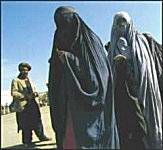
There was lots of very obvious rickets in the US until recently, especially among poor black children. OJ Simpson was supposedly affected. It has resurfaced among black children in the US; "cultural practices" causing rickets include veiling little girls (Muslim subsect) and "natural diets without additives" (Adventist subsect; Pediatrics 64: 871, 1979; rickets in the US "not a disease of the past" Am. Fam. Phys. 74: 619, 2006).
Worldwide, there is a resurgence in rickets (Lancet 362: 139, 2003); at least part of the cause is the current fad for exclusive breast-feeding of babies for long periods (especially when the mother herself is vitamin D deficient -- Pediatrics 130: e921, 2012), and the trend for less sun exposure (fear of cancer, veiling of women). Concurrent low calcium in a child's diet brings out the bone lesions (J. Clin. Endo. Metab. 97: 3461, 2012). Among the poor mothers and babies of so-rapidly-developing India, the disease is now recognized as a major disaster (Am. J. Clin. Nutr. 81: 1060, 2005). Veiling of expectant mothers, especially those who are dark-skinned, is now recognized as a grave risk factor for babies born in Europe, and neonatal rickets is widespread (Arch. Dis. Child. 92: 750, 2007). So is rickets in English (BMJ 336: 1318 & 1371, 2008; Am. J. Clin. Nutr. 85: 860, 2008) and Scottish (BMJ 336: 336, 1451, 2008) grown-ups. In fact, among rich ("the one percent?") Americans presenting for "executive physicals", a third turn out to be vitamin D deficient because of their lousy diets (South. Med. J. 105: 78, 2012). And simply measuring serum 25-hydroxyvitamin D levels in the US, a large majority of children's are "suboptimal" -- the highest being "non-Hispanic black" (92%). In fact, rickets is now a consideration in children with "multiple fractures of different ages", who one might presume are child-abuse victims (Acta Paed. 98: 2008, 2009) although the radiologists can't see the changes as early as the lab can, and the radiologists think "fracture risk is low" (Radiology 262: 234, 2012). This is being sorted out by the lawyers.
Breast-fed (i.e., no vitamin D supplementation), dark-skinned babies at high latitudes are at some risk in the U.S., even though rickets is seldom obvious clinically (Am. J. Clin. Nut. 59(S2): 484-S, 1994.) More recently, U. of Iowa checked infants in Iowa during winter and found that every one of the exclusively-breastfed babies and who didn't get the recommended supplementation was vitamin D deficient (Pediatrics 118: 603, 2006). The problem is even worse in more-northerly Canada (CMAJ 177: 161, 2007).
In Nigeria, supplementing calcium, with or without vitamin D, actually works better than vitamin D alone (NEJM 341: 563, 1999). In other words, a lot of the problem is calcium deficiency instead of vitamin D deficiency (common-sense idea supported: Am. J. Clin. Nutr. 80(S6): 1725S, 2004.)
In renal failure with loss of the proximal tubular epithelium, there is inability to fully activate vitamin D, and some of the bony problems that used to plague dialysis patients resulted form this defect.
Unusual causes of vitamin D deficiency include malabsorption, nephrotic syndrome (loss of vitamin D and its binding protein in the urine), antacid buffs, and some odd inborn errors of metabolism (vitamin D resistant rickets; type I lacks 1-hydroxylase in the kidney, type II probably lacks vitamin D receptors).
Actually, patients with persistent, nonspecific musculoskeletal pain very often have vitamin D deficiency as the underlying cause. This is now "painfully" obvious (Mayo Clin. Proc. 78: 1463, 2003), and is not just confined to the groups that are "supposed" to be vitamin D deficient.
Just to add to the confusion, several genes involved with cholesterol and vitamin D metabolism predispose people to low circulating vitamin D levels regardless of sunshine and diet (Lancet 376: 180, 2010); the best-known of these is a genetic polymorphism common in black people who have low circulating levels of the binding protein (NEJM 369: 1991, 2013).
The bony lesions of vitamin D deficiency are called "rickets" in growing children, and "osteomalacia" in grown-ups.
The essential lesion in both rickets and osteomalacia is failure of osteoid (bone matrix) to mineralize.
In rickets, the epiphyseal cartilage does not even calcify. Instead, it overgrows (knobs, including the "rachitic rosary" and other characteristic x-ray changes).
In the US, you'll confirm the diagnosis of vitamin D deficiency by finding a low serum calcidiol / calcitriol. However, don't rely on this.... I suggest that you supplement anyone with elevated iPTH in whom you do not suspect primary parathyroidism.
"Big Robbins" lists the terms for the bony abnormalities of rickets, including "craniotabes" (inward buckling of skull bones), "frontal bossing" and "square head", the "rachitic rosary" (knobs on the costochondral junctions), "pigeon breast" (anterior protrusion of the sternum, pulled forward by the respiratory muscles), "Harrison's groove" form inward pull of the diaphragm, "lumbar lordosis" and "bow legs", and pelvic deformities that caused "death during childbirth" in so many Northern European city women in bygone days.
In osteomalacia, the non-calcified bone looks pale on x-ray, and tends to break. (* Future radiologists: Little bone fractures are called "Looser's zones"). Yes, a vegetarian eating style (i.e., little meat or milk) does cause epidemic osteomalacia: QJM 83(302): 439, 1992. Low bone mass in vegetarians, where it matters: Arch. Int. Med. 165: 684, 2005. "The latest study that proved vegetarians do not get vitamin D deficiency" was on USA Seventh-Day Adventists (who know what they're doing and take nutritional supplements) and performed BY Seventh-Day Adventists (Am. J. Clin. Nutr. 89: 1686S, 2009). More about this when we talk about bones.
* Vitamin D deficiency, especially in people with mutated vitamin D receptors too,
is a risk factor for severe tuberculosis: Lancet 355: 618, 2000.
This is getting interesting.
Depending on your vitamin D receptor subtype, your need for the vitamin
may be greater. This is reflected in one's resistance to TB,
which requires adequate vitamin D effect (need it for
intracellular killing of the TB bug, Lancet 355: 588, 2000).
Savvy physicians in the poor nations now give vitamin D along with
antiretroviral medications to prevent wasting and protect against TB:
J. Inf. Dis. 207: 378, 2013.
* I'm usually the last person to believe in "newly-recognized coronary artery atherosclerosis risk factors", but please keep an eye on low vitamin D levels (Mayo Clin. Proc. 84: 741, 2009; Am J. Med. Sci. 338: 40, 2009; J. Am. Coll. Cardio. 52: 1949, 2008). Further, the Framingham folks are now linking vitamin D deficiency to visceral obesity, making it perhaps a player in the metabolic syndrome after all (Diabetes 59: 242, 2010). Your lecturer suspects that levels of vitamin D are lower in folks with the metabolic syndrome and/or coronary artery disease because they spend less time exercising in the sun, have more body-fat (said to decerase 25-OH-D bioavailability), are less-well nourished or whatever. JAMA, which is now getting pessmistic about big claims for vitamin D supplements being good to prevent the common killers, is thinking the same: JAMA 313: 1311, 2015.
* We await confirmation of a claim by Italian radiologists that fatty ingrowth into leg muscles in the elderly, and corresponding weakness, correlates closely with vitamin D deficiency (AJR 194: 728, 2010).
* A vegan/PETA claim that drinking milk causes prostate cancer by reducing 1,25-dihydroxyvitamin D levels failed miserably; beyond this, the health benefits of inclusion of dairy foods in a vegetarian diet seem clear enough (Am. J. Clin. Nutr. 89: 1634S, 2009).
Future clinicians: Your best serum assay is 25-hydroxy-vitamin D (or you might order 25-hydroxy-D2 and 25_hydroxy-D3. The truth is that nobody knows what to make of a low-normal value. If 1,25-hydroxyvitamin D is low instead, probably your patient has kidney trouble (less often oncogenic osteomalacia; but you know this already).
{12027} rickets, x-ray with bent bones
{15919} rickets, sub-periosteal bone is forming strangely
{15921} rickets, rib; that growth area just doesn't look right....
{38183} rickets, bow-legs
Excess vitamin D ingestion (i.e., taking too many pills) is in the differential diagnosis of hypercalcemia and kidney stone formation, but is seldom encountered.
* A rare syndrome of "idiopathic infantile hypercalcemia" (CYP24A1) features excess sensitivity to the effects of vitamin D (NEJM 365: 410, 2011).
VITAMIN E (tocopherol, review Lancet 345: 179, 1995): Ubiquitous in the diet.
Today's deficiency victims have malabsorption (it was also seen in the early days of total parenteral nutrition), and suffer pigmentation and dysfunction of the gut (the presence of ceroid is a marker) and sensory pathways of the spinal cord.
Evidence of the usefulness of vitamin E in treating disease, staving off old age, or avoiding mutagenesis from cosmic rays remains elusive. Especially, it was disappointing for prevention of coronary artery atherosclerosis (Am. J. Clin. Nutr. 85: 293-S, 2007).
Vitamin E deficiency produces a considerable excess of lipofuscin in experimental animals.
Cystic fibrosis babies are prone to vitamin E deficiency (why?) and get the same kind of hemolytic anemia (Clin. Ped. 33: 2, 1994). It's now apparent that if the doctor forgets to supplement the diet of these children with vitamin E at the time of diagnosis, they get brain damage as a result (J. Ped. 247(S3): S-51, 2005).
For preventing heart attack and stroke in people at high risk, vitamin E supplementation was one of the great flops of late 20th century medicine: NEJM 342: 154, 2000 (and many others).
* Children who lack of tocopherol transfer protein need huge amounts of vitamin E or they develop ataxia (J. Ped. 134: 240, 1999; Neurology 55: 1584, 2000).
VITAMIN K (for "koagulation", in German)
This is the cofactor for the synthesis of gamma-carboxy glutamic acid, which is required for the calcium-binding clotting factors II, VII, IX, and X, plus protein C, S, and * Z. Although our intestinal flora make a little vitamin K for us, it is inadequate. Fortunately, vitamin K is hard to avoid in the diet, we store several weeks' supply, and deficiency is seen mostly in newborns and in those with lipid malabsorption.
Milk is relatively poor in vitamin K, and babies who are fed mostly milk occasional run into problems with hemorrhage (J. Ped. 114: 602, 1989; Ped. Emer. Care. 8: 143, 1992). An oral supplement that mothers would give during the first few months of life is under consideration (Arch. Dis. Child. 82: F64, 2000). Deficiency in vitamin K due to wiping out the bacterial flora with antibiotics is much-discussed; it is not an obvious clinical problem.
Functional vitamin K deficiencies are seen in those on coumarin (the vitamin K antagonist anticoagulant), and in severe liver disease. Patient with cystic fibrosis need to supplement at high levels (Am. J. Clin. Nutr. 92: 660, 2010).
* Trivia: PIVKA is "protein induced in vitamin K's absence", i.e., non-gamma-carboxylated versions of clotting factors.
Vitamin K is given to preemies, newborns, and people in liver failure in the hopes of preventing serious hemorrhages. Around 1% of newborns will get brain hemorrhages if they are not given vitamin K. Right now, the injected form seems preferable to oral dosing (CMAJ 140: 496, 1989). It's value for all babies: Br. Med. J. 303: 1083, 1991.
* A vitamin K injection also prevents the prolonged bleeding following newborn circumcision, which is now common in Africa as a means of combating HIV transmission (Ob. Gyn. 122: 503, 2013). The article reminds readers that vitamin K deficiency is common as a result of unsupplemented breast feeding and that the injection works very fast to stop bleeding -- a fact that's little-appreciated.
{15932} infant purpura; vitamin K would have prevented this
VITAMIN B1 (thiamine)
This vitamin (* as pyrophosphate) is the co-factor for burning α-keto-acids, and for transketolase (the pentose phosphate shunt enzyme). Somehow it also maintains nerves. The molecular biology of clinical thiamine deficiency remains elusive.
Thiamine deficiency was seen classically in people subsisting on polished rice, and today in alcoholics, cancer victims who do not eat, women with extreme vomiting of pregnancy, and in children and adults who have been starved.
* Thiamine deficiency among children in suddenly-prosperous Brazil -- of course poor children are affected Am. J. Clin. Nutr. 93: 57, 2011.
* Thiamine deficiency in children in Cambodia is rampant and causes lifelong brain damage (J. Ped. 161: 843, 2012). Getting it to nursing mothers -- too little, too late Am. J. Clin. Nutr. 98: 839, 2013.
* There are reports of widespread thiamine deficiency in patients with congestive heart failure, not receiving vitamin supplementation, because of wasting of thiamine due to diuretic therapy. This is surely not helping their hearts (J. Am. Coll. Card. 47: 354, 2006; follow-up showing widespread riboflavin and pyridoxine deficiency too JADA 109: 1406, 2009). Beware sudden carbohydrate loading (i.e., a "D5/W" dextrose intravenous line) for these people prior to administering thiamine, for fear of triggering acute deficiency.
* A soy-based baby formula in Israel omits the thiamine and causes an epidemic of deficiency, with brain damage: Pediatrics 115: e233, 2005; follow-up (they have severe epilepsy) Neurology 73: 929, 2009.
* A 12 year old boy gets neuropathy on a thiamine-deficient diet consisting only of beef jerky, yogurt from a squeeze tube, and fruit drinks. Parenting issues here. Neurology 80: e110, 2013.
Thiamine deficiency produces:
Note the similarities of wet and dry beriberi to "alcoholic cardiomyopathy" and "alcoholic neuropathy" respectively. While alcoholics are often thiamine-depleted, we now know this is not the whole story.
VITAMIN B2 (riboflavin)
This is the precursor for the cofactor FAD, from biochemistry.
Despite what others may tell you, it's now generally agreed that (1) riboflavin deficiency does not occur in isoloation, and (2) riboflavin deficiency is quite common in generally poorly-nourished people, especially those consuming little or no meat or dairy food. The best-established feature is (3) atrophy and malfunction of the duodenal mucosa.
Historically, there has been much talk about this as either a rare problem affecting only alcoholics and the extremely malnourished, or part of general bad nutrition. A supposed syndrome was "cheilosis" ("cheilitis", cracking around the angles of the mouth -- a much more common cause is edentulousness), seborrheic-type dermatitis on the nose, cheeks, and hands ("glove dermatitis"), and purple tongue. Why these specific signs occur (if any of this really happens) was always totally mysterious.
I've only recently become a believer, thanks to a study in the United Kingdom in which supplementing riboflavin improved hematologic parameters (Am. J. Clin. Nutr. 93: 1274, 2011). This study helped redefine the healthy range for serum levels and made clear that the first problem is difficulty absorbing intestinal iron.
VITAMIN B3 (niacin, nicotinic acid)
This is the precursor for the cofactor NAD, also from biochemistry. If there's not enough in your diet, you can make it from spare tryptophan.
It is ubiquitous in nature, but is sometimes unavailable. Niacin in maize ("corn") is poorly absorbed, maize is low in tryptophan anyway, and pellagra (* Italian for "dry skin") used to be endemic in our southern "corn belt" (the history, and how the riddle was solved: South. Med. J. 93: 272, 2000).
* A similar pellagra belt discovered in India during the 1970's was attributed to a preponderance of millet / sorghum as protein source (classic paper Vit. Horm. 33: 505, 1975 -- reviewers cited the great abundance of leucine in sorghum as perhaps interfering with tryptophan, and called it "pseudo-pellagra". Patients were just as sick.)
Maize is low in both tryptophan and lysine, but has abundant methionine and cysteine. Beans are rich in tryptophan and lysine, but lack methionine and cysteine.
The largest outbreak since World War II involved thousands of refugees in Malawi (MMWR 40: 269, 1991). Here and in Angola, the food provided by the United Nations was deficient in tryptophan and niacin. Pellagra is still rampant in Angola, which survives on non-biotech maize, and has remained so despite the end of the civil war (Am. J. Clin. Nutr. 85: 348, 2008).
Today if you see pellagra without kwashiorkor in the US, it is probably in an alcoholic (Mayo Clin. Proc. 76: 315, 2001) or a food faddist.
* Rare causes include carcinoid syndrome, in which tryptophan is pre-empted to make serotonin (Ob. Gyn. 113: 543, 2009), and Hartnup disease, in which patients cannot absorb tryptophan from the gut.
Niacin deficiency ("pellagra") produces the "three D's":
Niacin remains a cheap and good way to lower LDL cholesterol. The use of niacin for this effect is still widespread, though it's doesn't mix well with the statins.
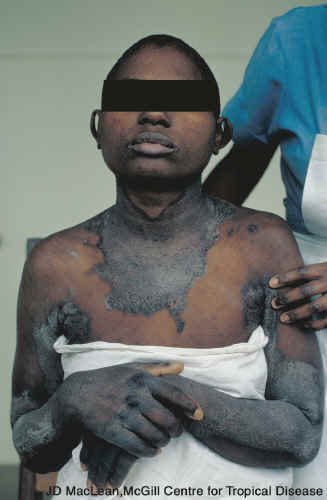 Pellagra
Patient had diarrhea, mental changes also
McGill Center for Tropical Disease
VITAMIN B6 (pyridoxine)
This is the cofactor that is responsible for shuttling amino groups and amino acids around in biochemistry. Deficiencies occur in alcoholics (* alcohol moves the factor off of its proteins and encourages its degradation), and pregnant and lactating women. Functional deficiencies occur in patients taking isoniazid, penicillamine, or * cycloserine.
No one knows how common pyridoxine deficiency is, in the developed world or the poor world. It's not abundant in plants, and vegetarians tend to have low levels.
Pyridoxine has been put forward as as prophylaxis for atherosclerosis, like folic acid; both lower homocysteine levels: JAMA 279: 359, 1998. Is there a US sub-population that's selectively deficient? If so, it's not been identified.
Pyridoxine is also useful in treating several inborn errors of metabolism in which there is defective binding of the vitamin to its site of action, or something similar. A pyridoxine-responsive sideroblastic anemia may result from overgrowth of a mutant clone; one known gene that is knocked out is delta-amino levulinic acid synthetase (Am. J. Hem. 62: 112, 1999.)
* Meta-analysis: Pyridoxine intake / levels vary inversely with risk of colon cancer JAMA 303: 1077, 2010.
FOLIC ACID (* vitamin B9, update Br. Med. J. 328: 211, 2004)
The familiar cofactor that helps shuttle methyl groups through the biochemistry pathways. Our best sources are uncooked vegetables and fruits. The clinical syndrome is a megaloblastic anemia that you will study later.
Deficiency is common in the U.S., and folic acid deficiency is very common in alcoholics, in pregnant women (who have a tremendously increased need), people with malabsorption, and in people taking phenytoin, and probably among the mentally ill (many of whom recover faster when it is administered; Lancet 336: 392, 1990).
Although meat-eating has historically been uncommon in India, and many people are vegetarians, folic acid deficiency is rampant (and for some reason, so is B6 deficiency): Asia Pacific J. Clin. Nutr. 10: 194, 2001; from India's National Institute of Nutrition.
* No one knows the real cause of tropical sprue, but folate therapy helps the patient heal.
For the neural tube defect story, see above. Women who have had more than one kid with a neural tube defect may have a problem handling folic acid (Br. J. Ob. Gyn. 101: 197, 1994), and/or the unborn children have a mutant tetrahydrofolate reductase that causes them to require extra folic acid.
* In 2000, there was a silly flap about the vitamin causing miscarriage; it doesn't (Lancet 358: 796, 2001). Canada has apparently had the best experience, with a 78% reduction in neural tube defects since supplementation was introduced: Br. Med. J. 324: 760, 2004.
There is now a great deal of interest in folic acid, around the time of conception, to prevent cleft lip / palate (BMJ 334: 464, 2007). Definitely stay tuned.
Even a little deficiency in folic acid increases your serum homocysteine, which is an arterial-wall poison. We'll cover the low-folate / atherosclerosis connection when we talk about "Vessels". It's BIG news.
"Green" militants have claimed that fortifying food with folic acid causes cancer. There's no scientific basis to think it could be true, but that's not required in politics, especially in Europe where these people have enormous clout. As a result of activism, the Norwegians had to do a huge prospective study over five years of people given large amounts of folic acid versus controls. Of course, there was no increase in cancer (Lancet 381: 1029, 2013.
* Thanks to an aggressive marketing campaign by a single lab, people are getting their MTHFR (methylene tetrahydrofolate reductase) genotype assessed. A majority of people are told they have at least one abnormal gene (i.e., they might actually need a little bit more folic acid than the next person) This generates expense and fear. I urge you not to participate. True MTHFR deficiency is one of the very rare genetic diseases.
VITAMIN B12 (cobalamin, cyanocobalamin)
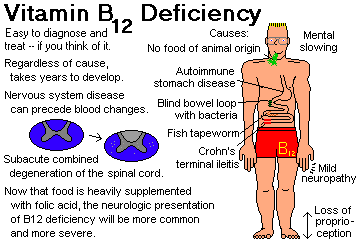
The other cofactor for handling methyl groups (i.e., making thymine/DNA and methionine).
Deficiency is seen in vegans (those who take no food of animal origin because of moral convictions) who do not supplement (it's still rampant: Am. J. Clin. Nutr. 78: 131, 2003). B12 deficiency serious enough to affect hematology parameters is common in European vegetarians (Eur. J. Haem. 69: 275, 2002; Adventist clergy Am. J. Clin. Nutr. 70(3S): 576S, 1999; vegetarians in general Am. J. Clin. Nutr. 89: 1693S, 2009), in those with problems with intrinsic factor ("classic pernicious anemia", etc.), fish tapeworm infestation, blind loop syndrome, and inflammation of the terminal ileum (typically Crohn's disease).
Frankly, as a physician, the whole business worries me very much. Call me unspiritual if you want. I hope that every high-school idealist who decides to "become a vegan", especially those who will get pregnant and/or raise "vegan" babies, is presently obtaining the supplementation necessary for good health. I very much doubt this is happening. I urge my fellow-physicians, especially those in primary care, to talk frankly with young people about this business. Even the vegan gurus, while promoting their diet for children, emphasize the elaborate counselling and fortification of "special vegan foods" that are required to keep kids from getting permanent brain damage (J. Am. Diet. Assoc. 101: 661, 2001).
It's now obvious that even common amateur vegetarians can and do become B12 deficient (review Am. Clin. Nutr. 78: 3, 2003). In Germany, 60% have biochemically-obvious B12 deficiency (elevated homocysteine / methylmalonic acid / holotranscobalamin II levels) (Clin. Chim. Acta 326: 47, 2002).
* The traditional teaching is that B12 deficiency is unlikely when there is even a little intake of food of animal origin. I'm not so sure. Nutritional B12 deficiency is common in India and Latin America (Ann. Rev. Nutr. 24: 299, 2004). Some newer studies from the Third World show low levels in children whose anemias are unresponsive to iron (Am. J. Clin. Nutr. 71: 1485, 2000).
You will study the megaloblastic anemia and the neuropsychiatric syndromes (Alzheimer-like dementia, "subacute combined degeneration of the spinal cord", etc.) later in the course. The latter is probably missed frequently, especially in the elderly (NEJM 319: 1733, 1988; update Am. J. Clin. Nutr. 86: 1384, 2007). Today, we know that about 20% of older folks have low serum B12 levels, and often correspondingly high homocysteine levels (NEJM 354: 2813, 2006). The impact of this on overall health, and mental functioning, is still unknown.
* Many patients demand cobalamin injections for a variety of illness without any clear indication. I have long considered this lousy medicine; in the 1990's it was noticed that 12% of older folks have chemical (high methylmalonic and/or homocysteine levels) and/or hematologic (low hematocrit, high MCV) levels, which indicate either B12 and/or folate deficiency; tough to sort these out; but the group blamed cobalamin; I thought (and still think) the problem is really deficient folic acid. Ultimately, the decision about giving hokey B12 shots is yours (JAMA 261: 1920, 1989).
Let me reiterate... the greatest risk is to vegans, but the deficiency is far more widespread and is very dangerous. Mothers who are breast-feeding while they are (perhaps subclinically) B12 deficient place their children at grave risk for permanent brain damage (Arch. Dis. Child. 78: 398, 1998; Brain Dev. 27: 592, 2005). With young mothers going in for fairly strict vegetarianism (Muscle and Nerve 22: 252, 1999), there will be plenty more of this in the future. It's also common in the poor nations (Ped. Hem. Onc. 24: 15, 2007). The public press has been silent on this situation for decades, probably for reasons of politics ("You're against breast feeding! You're against vegetarianism!")
I've predicted for years that peole would finally wise up about this, and there's signs of change. There is now talk about supplementing flour with vitamin B12 (Am. J. Clin. Nutr. 88: 348, 2008), which would be a big help, and screening babies for increased methylmalonic acid in their urine to spot Mom's subclinical B12 deficiency (J. Ped. 152: 731, 2008). Remember that there are a variety of inborn errors of metabolism in which cobalamin cannot be handled properly (NEJM 358: 1454, 2008). The tipoffs will be elevated methylmalonic acid and/or homocysteine.
BIOTIN (* vitamin H or * vitamin B7): Remember that "avidin" in raw eggs is very effective at blocking absorption of biotin (* "Rocky Balboa" take note) -- one would need to eat a few dozen raw eggs daily though in order to become deficient. Generally, it's difficult to become deficient since biotin is ubiquitous in food.
Biotinidase deficiency is an inborn error of metabolism with eye, ear, and brain damage, easily managed by generous oral supplementation. Many newborn screening protocols check for it.
PYRROLOQUINOLONE QUINONE was found to be an essential nutrient in the early 2000's (Nature 422: 832, 2003). Well, maybe (Nature 433: E10, 2005). We await a deficiency syndrome in humans.
|
VITAMIN C (ascorbic acid)
Humans, a few other primates, guinea pigs, and fruit-eating bats cannot synthesize this redox cofactor, which is involved in developing and maintaining collagen, synthesizing chondroitin sulfate, as well as a variety of other important things. * It's supposed to be a weak antihistamine, perhaps accounting for the mild effect on colds and allergies. Ignore R&F's oxymoron "evolutionary quirk" -- biology makes sense. We tend to lose (or weren't given) pathways we don't need, and humans seek a varied diet. |
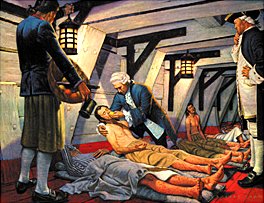 Dr. James Lind |
The full-blown deficiency syndrome is "scurvy", which occurs only in people who eat very poorly for several weeks. (The original "Zen Macrobiotic Diet" caused a cluster of deaths from scurvy.) In the poor nations, scurvy occurs in children whose mothers feed them with un-supplemented formula or otherwise give only milk (Int. J. Derm. 46: 194, 2007), or in prison inmates (Tropical Doctor 35: 81, 2005).
There is much talk about stress (especially the stress of surgery, as well as wound healing) as producing an added requirement for vitamin C. Decide for yourself.
Scurvy is a distinctive clinical syndrome related, at least in part, to problems with osteoid synthesis and collagen support of the blood vessels.
In children, the osteoblasts lay down scanty, poor-quality osteoid. The end result is radiographs and deformities similar to rickets.
In both children and adults, the capillaries weaken. Patients bruise easily, and bleed spontaneously. Check the gums, and look for petechiae around the hair follicles. The body hairs often become curled like corkscrews; hemorrhages around these corkscrew hairs give you the diagnosis.
Eventually, hemorrhages beneath the periosteum develop, making this the most painful of the deficiency diseases.
Of course, wounds heal poorly, and old ones reopen.
A secondary functional folic acid deficiency develops, because vitamin C is responsible for maintaining folate in its reduced state.
|
Jacques Cartier and his fellow-explorers suffered terribly from scurvy
during the cold Canadian winter of 1535-6. They would probably have died
had the local Indians not taught them how to brew tea from a local
evergreen, probably sassafras.
Tales of scurvy on the high seas are horrible. Vitamin C availability was the limiting factor on global exploration until physicians persuaded admirals to provide lime juice for sailors (hence the British term "limey" for sailor). James Lind solved the problem in 1754 ("A Treatise on the Scurvy" -- he even used controls), but the British government was so penny-wise-and-pound-foolish that they declared the cask of lime juice "too expensive", and only made it mandatory 50 years later. |
 Jacques Cartier Gets Rescued -- Thanks! |
* A US serviceman gives himself scurvy by deciding to live on nothing but skinless chicken, cola drinks, and candy bars (Orthopedics 25: 689, 2002).
* A grown woman gives herself iron deficiency and scurvy on a restricted diet recommended by an overzealous physician for "all of her food allergies"; pulmonary hypertension figures prominently and is fully reversed when her physicians finally realize what she's doing to herself (Chest 142: 225, 2012).
* A family gives its two-year-old daughter a horribly painful case of scurvy by "feeding the patient an organic diet recommended by the Church of Scientology that included a boiled mixture of organic whole milk, barley, and corn syrup devoid of fruits and vegetables" (Am. J. Clin. Derm. 8: 103, 2007.) Two Italian families give their children scurvy on a crackpot diet: J. Paed. 45: 158, 2009.
* An autistic kid with a limp followed by pulmonary hypertension baffles Harvard's pediatricians until they take a dietary history and realize that eating only "Chicken McNuggets", cookies and water had given him scurvy and other vitamin deficiencies: Pediatrics 132: e1699, 2013.
{05940} scurvy, mouth
{46398} scurvy, sub-periosteal hematoma; this hurts
{38195} scurvy case, bone, osteoid has formed poorly (tiny trabeculae), there is a bleed
|
|
"Mega-dose vitamin C" (a gram or more daily) is being used by many of your patients to "prevent cancer", "cure colds", etc., etc.
In the absence of renal insufficiency, fatalities occur at 20-40 gm/day, from calcium oxalate deposition in the heart.
It also gives false-negative tests for glucose and occult blood in urine and stool, and promotes over-absorption of iron by the gut (well maybe, see below). These are most likely to cause problems if the user's physician is not aware of that the patient is taking the substance.
* The perennial product called "rose hip vitamin C" is synthetic vitamin C with a tiny amount of rose pulp added, sold at inflated prices.
* Some volunteers were hospitalized at the NIH and rendered vitamin C-poor by diet (heroes' award), then loaded up. Pee-out of the unaltered vitamin began at 100 mg/day, and everything above 400 mg/day simply went through the people; at 1000 mg/day and above, the serum oxalate and urate levels began to climb. Read Proc. Nat. Acad. Sci. 93: 3704, 1996.
Scurvy in Afghanistan under the Taliban: Lancet 359: 1044, 2002.
Whether "subclinical scurvy" is a real health problem in the developed nations is unanswered; we know that many young people (including about half the bariatric surgery patients) are biochemically deficient from their junk-food diets (Surg. Obes. 5: 81, 2008; several other recent studies).
MINERALS
IRON
This element is absorbed by the duodenum, which regulates the total body load (2-6 gm). Iron deficiency is the most common nutritional deficiency almost everywhere. Nutritional iron deficiency affects about two billion people in our world (Lancet 370: 511, 2007 -- talks bluntly about "populations consuming monotonous plant-based diets" and even more bluntly about the terrible human cost and the hope offered by genetic engineering.)
* Check your restless-legs patients for iron deficiency; it greatly exacerbates it (J. Fam. Pract. 58: 415, 2009).
It is possible to follow an unsupplemented vegetarian diet without becoming iron-deficient (Am. J. Clin. Nutr. 59(5-S): 1233-S, 1994), but nowadays it's obvious that plenty of people are jeopardizing their health by making themselves iron-deficient through vegetarianism (Eur. J. Hem. 69: 275, 2002 -- reminds us that the microcytosis of iron deficiency and the macrocytosis of B12 deficiency will mask each other).
Iron deficiency is rampant among poor children in the Third World, and a history of iron deficiency (perhaps evidence of other things lacking in the diet) is a marker for stunted intellectual development later in life (NEJM 325: 687, 1991). Simply distributing iron cooking skillets helps children grow and be healthy: Lancet 353: 712, 1999.
Iron deficiency among inner-city British babies fed mostly unsupplemented cow's milk is probably a major cause of developmental slowing: Br. Med. J. 318: 693, 1999. One Georgia (USA) teen in three is iron-deficient (South. Med. J. 87: 1132, 1994).
* Screening populations using hepcidin (low in true iron deficiency): JAMA 311: 2372, 2014.
* Curiously, iron deficiency itself seems to promote pica, including soil-eating, which remits after successful therapy with iron. Possibly there is an instinct for iron-deficient folks to eat soil, which might be rich in iron (as well as lead, mercury, elemental phosphorus, and other things that are bad for us). This in turn may have become part of the cultures of poor areas; for example, in areas of the US southeast where there has historically been a lot of hookworm, one can still buy packages of earth (with warning labels, "do not eat") at convenience stores.
Classically, iron deficiency is a microcytic, hypochromic anemia. The actual anemia reflects a late stage, and we currently think that some metabolic derangements precede this, since iron is involved in many enzymes.
One can get a good measure of body iron stores by checking the serum ferritin. Another popular screening test is measuring serum iron (will be low) and serum total iron-binding capacity (mostly transferrin, will be high), and calculating saturation (Fe/TIBC). More about this later.
Yet another worthwhile technique, especially for screening kids, is to look at zinc protoporphyrin levels in the blood; these are high in the iron-deficient (Clin. Ped. 33: 473, 1994).
Iron deficiency is easily treated. (Remember that we absorb "heme" iron much better than "iron pills".) However, it is malpractice to merely treat iron deficiency without seeking a cause of blood loss, especially in someone who is not menstruating.
There's an old tale about vitamin C enhancing iron absorption through the gut; Uncle Sam tested this, and the effect, if any, is minimal: Am. J. Clin. Nutr. 59: 1381, 1994. Since then, results from controlled studies from around the world have been inconsistent (Am. J. Clin. Nutr. 78: 267, 283 & 436, 2003).
* "Special molasses" touted at the health-food store as "an excellent natural source of iron and copper" acquires both from the machinery in which the sugar is processed.
ZINC
It's now clear that worldwide, subclinical zinc deficiency is rampant, especially in the poor nations of Africa and Asia (BMJ 334: 104, 2007). The most measurable effect is stunted growth, and supplementing lowers mortality measurably (Lancet 369: 885, 2007). Watch this.
Zinc is not super-abundant in the U.S. diet, especially for vegetarians. Deficiency has occurred, mostly in patients with malabsorption (disease, inborn error, patients in the early days of total parenteral nutrition). The most distinctive feature is "acrodermatitis enteropathica", a rash around the orifices and limbs, plus diarrhea and thinning of the hair. Today, the term "acrodermatitis enteropathica" is reserved for the inborn error of metabolism that prevents absorption of zinc, though the zinc-deficient show the same changes (J. Clin. Inv. 122: 722, 2012).
You can decide for yourself about the usefulness of zinc supplementation in wound healing (i.e., in wartime, after surgery).
* Zinc deficiency also produces night-blindness, perhaps potentiating any concurrent vitamin A deficiency (Am. J. Clin. Nutr. 73: 1045, 2001).
Endemic zinc deficiency with dwarfism has occurred among clay-eaters in certain near-Eastern populations (Nutrition 17: 67, 2001). Zinc is also in short supply in breast milk: Lancet 340: 683, 1992.
* One of the larger "conservative Christian sects" has taught for decades that male ejaculations cause zinc deficiency (evidently by analogy with menstruation and iron deficiency), which in turn causes serious disease. The sect warns teenaged boys about this, and teaches strategies to avoid noctural emissions and so forth. The only "scientific support" the group can muster is from their own little health-food-store books; of course, if they believed their own claim, confirming it would be an easy high-school student science project (provided a control group could be found). In April 2007, I received a letter from correspondent asking solely for my opinion as a man of science. I did a search back to the 1950's, and there's exactly nothing to support the claim, even in the non-refereed junk journals. In his reply, my correspondent shared with me that his own discovery that this was a lie led to his discovering that the rest of the sect's distinctive teachings were also probably not true, and his resignation from thirty-three years in their ordained ministry. Whatever you decide about this, you may be asked about the claim about teenaged boys, ejaculating, and zinc. You will need to handle it delicately. For more information about this bizarre subject, read up on Dr. John Kellogg and his original claim for corn flakes. Graham crackers, though not connected with the sect, were introduced for the same purpose.
* Fatal zinc toxicity from somebody who ate a bunch of US pennies, which are now mostly zinc: AJFMP 18: 148, 1997.
COPPER DEFICIENCY
This can occur in preemies and in starvation, and in patients on total parenteral nutrition. It produces anemia and neutropenia and neurologic problems.
Since zinc competes with copper for absorption, people taking the new over-the-counter zinc pills are coming in with copper deficiency (J. Ped. 136: 688, 2000; also Am. J. Gastroent. 95: 2975, 2000 for another guy who liked the taste of those new zinc pennies).
* There is a curious syndrome ("myelodysplasia" and "subacute combined degeneration of the cord with normal B12 levels") in adults with near-zero copper levels and high zinc levels with normal diet (Mayo Clin. Proc. 80: 943, 2005); your lecturer predicts they will be found to have a copper-zinc transporter with higher affinity for zinc. Some people have an unexplained lack of copper in the blood which produces macrocytic anemia with vacuolated red cell and neutrophil precursors and iron in the plasma cells: Am. J. Clin. Path. 132: 191, 2009.
Because copper is required:
* In the 1990's, the Environmental Protection Agency and World Health Organization came out with guideline values for "too much copper in the drinking water." Although there have been outbreaks of copper toxicity at very high levels, the "official" stuff was immediately recognized as junk science (Am. J. Clin. Nutr. 67(5S): 1098S, 1998.)
SELENIUM DEFICIENCY:
Fortunately rare in the democracies, this is was the basic cause of China's endemic "Keshan disease", a heart failure syndrome
of young people (Biomed. Env. Sci. 4: 359, 1991) that
rendered people much more susceptible to coxsackieviruses
(J. Clin. Microb. 38: 3538, 2000; J. Inf. Dis. 182 S-1: S93, 2000).
The histopathology was miliary patches of
hyaline necrosis through the heart muscle.
Selenium deficiency resurfaced in Africa as a cause of post-partum cardiomyopathy (Int. J. Card. 36: 57, 1992). Watch for more of the same.
The myopathy, better known in animals, is "white muscle disease".
Selenium deficiency is now sometimes seen in long-term hyperalimentation patients (so is chromium deficiency; NEJM 322: 829, 1990; Med. Sci. Law 42: 10, 2002.)
More recently (and confusingly), selenium (and maybe iodine) deficiency and fulvic acid (from rotting junk) in the drinking water have been found to cause epidemic Kashin-Beck osteoarthritis in central Asia. Review: NEJM 339: 1112, 1998.
For some reason, tube-fed (i.e., gastrostomy / enterostomy) babies in the US are likely to be selenium-deficienct (Clin. Ped. 45: 37, 2006.
* Selenium poisoning in China in the 1960's: Am. J. Clin. Nutr. 37: 872, 1983.)
| IODINE DEFICIENCY (Lancet 372: 1251, 2008).
We'll talk more about this under "thyroid disease". Iodine deficiency is THE world's major cause of preventable mental retardation.
|
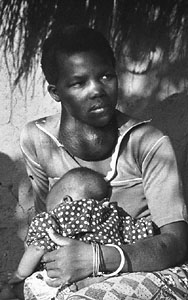 Iodine-deficiency goiter |
Iodination of salt has eliminated iodine-deficiency as a cause in the U.S. To my knowledge, there isn't even a crackpot anti-iodized salt movement here. But strangely, many other developed nations don't iodize much of their salt. Denmark only introduced it in 1998 despite widespread iodine deficiency (J. Clin. Endo. Metab. 92: 3122, 2007; J. Clin. Endo. Metab. 92: 1397, 2007). In Italy, there are still marginally-iodized regions, and this clearly causes permanent damage to the brain of the unborn child (J. Clin. Endo. Metab. 93: 2616, 2008). Iodization of salt was strongly politically incorrect in Italy in the 1990's and some scientists undertook a program of "voluntary iodine supplementation" in beautiful, idyllic Pescopagano. Fifteen years later, to nobody's surprise, those who supplemented have less goiter, less iodine deficiency, and less Jod-Basedow (the iodine-deficient can get really sick after a fish dinner; J. Clin. Endo. Metab. 98: 1031, 2013. Australia and New Zealand still have marginal iodine, and many older New Zealanders are measurably iodine deficient (Am. J. Clin. Nutr. 90: 1038, 2009). In fact, if we believe the Bill and Melinda Gates foundation, Europe's overall rate of iodine deficiency as measured by low urinary excretion is the world's worst (Lancet 2008, above).
For now, remember that 5.7 million children are obviously and permanently brain-damaged ("cretins") yearly from lack of iodine (Med. J. Aust. 154: 227, 1991). This is only the tip of the iceberg. If it were not for politics, this problem could be entirely eliminated (NEJM 326: 236 & 267, 1992 -- still true; the non-democratic "leaders" of many poor nations prefer citizens with damaged, tractable brains). In 2007, even the World Health Organization noticed that nearly 2 billion people are still iodine deficient, many of them children, and this is still causing widespread subclinical brain damage (Lancet 372: 88, 2008). Nobody's looking at the impact of supplementing iodine for pregnant women: Am. J. Clin. Nutr. 98: 1241, 2013.
Epidemiologists look for a large thyroid gland, low iodine excretion after loading, and low serum thyroglobulin (J. Clin. Endo. Metab. 86: 3599, 2001).
Iodine is probably the element in shortest supply in much of the inland world, and has placed a limit on the growth of populations there (J. Clin. End. Met. 77: 878, 1993). Iodine deficiency in "democratic" Algeria (you know the problems): J. Clin. End. Nutr. 79: 20, 1994. Haiti: Am. J. Trop. Med. 64: 56, 2001. Benin: Am. J. Clin. Nutr. 72: 1179, 2000. South Africa: Am. J. Clin. Nutr. 69: 497, 1999 and 71: 75, 2000. Ivory Coast Am. J. Pub. Health 89: 1857, 1999. Iodine deficiency in Mainland China ("the people's paradise"): Am. J. Clin. Nutr. 57(S2): 264S, 1993; NEJM 331: 1739, 1994; addressing the problem cost a whopping 12 cents per person per year (Lancet 344: 107, 1994). Tibetan children: Am. J. Clin. Nutr. 78: 137, 2003. When mismanagement closed down the iodized salt program in Morocco, hypothyroidism in children recurred in a few months: Am. J. Clin. Nutr. 79: 642, 2004.
Iodine deficiency in the preemie nursery: Arch. Dis. Child. 71: F-184, 1994. Iodine deficiency among Europe's vegetarians and especially vegans (80% -- it doesn't have to be this way): Ann. Nutr. Metab. 47: 183, 2003.
* For the very strange political story of why Tasmania remains iodine deficient, see J. Clin. Endo. Metab. 85: 1513, 2000. For movies of the real Tasmanian devil, the largest surviving marsupial carnivore, click here.
The World Health Organization study of world iodine status (Bull. WHO July 2005) looked at urinary iodine levels. For some unknown reason, the folks at the WHO warned of "possible toxicity" at high levels ("risk of adverse health consequences, iodine induced hyperthyroidism, autoimmune thyroid disease") -- an extraordinary claim referenced only to their previous junk-science piece from 2001. When the Danes finally introduced iodized salt, the shortage areas had a surge in clinical hyperthyroidism for a few years (unmasked Graves'; Jod-Basedow), then a return to normal (J. Clin. Endo. Metab. 94: 2400, 2009) -- how much of the hyperthyroidism was real and how much was physician perception is anyone's guess.
You already know that iodine deficiency is the principal cause of endemic goiter and is a risk factor for follicular carcinoma of the thyroid.
* Not all endemic goiter is caused by iodine deficiency. Some forms of millet, the staple food throughout many of the drier areas of the world, contains flavenoids that block the organification of iodine (Am. J. Clin. Nutr. 71: 59, 2000.) You remember the thiocyanates in cabbage and so forth from your physiology course.
MAGNESIUM DEFICIENCY: Easy enough to find if you measure total body levels, but what's the syndrome? No one really knows.
Or is it transient neonatal hypocalcemia, long a minor mystery of medicine? Pediatrics 129: e1461, 2012.
MANGANESE DEFICIENCY: Ultra-rare. Remember that manganese poisoning simulates Parkinsonism.
OBESITY

I have more flesh than another man, and therefore more frailty.
-- Shakespeare's Falstaff, "I Henry IV" III iii 187
They are as sick that surfeit with too much as they that starve with nothing.
-- "The Merchant of Venice", I ii 5
{07135} obesity
| In America, even the beggars ("Homeless, hungry") are mostly well-fed, and many are fat; and the poor are on average much fatter than the rich (Am. J. Clin. Nutr. 79: 6, 2004). Today's late-teens and young-adult men average an inch taller than the US soldiers of WWII, and two inches taller than the "doughboys" of WWI. Any adult American who's "hungry" or has hungry children either isn't taking advantage of the dole, or trading the food for drugs and alcohol (J. Am. Diet. Assoc. 94: 749, 1994; article contains euphemisms). Yet our women (at least) are leaner and more physically fit than their counterparts in poor nations (Colombia, at least; Am. J. Clin. Nut. 60: 279, 1994). Even in most of the poorest nations, overweight now exceeds underweight, especially among women (Am. J. Clin. Nutr. 81: 714, 2005). Of course our older children and teenagers are getting fatter, but those in the poor nations are rapidly catching up (Am. J. Clin. Nutr. 75: 971, 2002; Brazil and China). I don't really think anyone was surprised to read that sitting for hours and watching TV makes kids fat: JAMA 298: 1785, 2003. Supposedly 64% of Americans are obese (Lancet 363: 339, 2004), Boston U. discovers that people are fat because there's plenty of food and no reason to exercise (Am. J. Clin. Nutr. 91: 27S, 2010), children don't get so fat if you give them diet soda instead of sugar-based soda (NEJM 367: 1387 & 1397 & 1407, 2012), etc., etc. |
|
Your lecturer is not an expert on obesity and "bariatric medicine" (probably the least-respected medical specialty, maybe unfairly), and can only contribute a few facts to the perennial discussion....
Despite elaborate discussions of metabolic pathways (for example, Lancet 340: 404, 1992), the fundamental laws of nature tell us that the bottom line on obesity is "calories in" (good food, junk food, alcohol) versus "calories out" (basal metabolism, heat loss from the skin, work of breathing and circulation, exercise, malabsorption, vomiting, tumor burden, chronic bronchitis and other nasty diseases, uncoupled oxidative phosphorylation, and just carrying around all that extra fat). Note that carrying around fat takes work, maybe 9 calories per kg per day; this may be some of the reason that most people find an equilibrium (NEJM 332: 621, 1995).
Distribution of body fat is determined by heredity and especially by steroid hormones (men get beer guts, women get fat hips, Cushingism people get buffalo humps, etc.)
Factors in overeating include heredity, upbringing, real or hypothetical hypothalamic lesions (Froehlich's, others), "peptides that regulate appetite" (pre-leptin era discussions sound plain-silly nowadays), drugs (anabolic steroids, depot progesterone, and marijuana cause "munchies", while "speed" and heroin suppress appetite), and possibly "differences in metabolism" (i.e., thermogenesis, are your mitochondria uncoupled? "non-exercise activity thermogenesis" varies tenfold between lean and fat people: Science 283: 212, 1999 -- this seems to be holding up, and under the control of a vast array of new hormones, including adiponectin, somehow acting on the nervous system). Also, alcohol has calories and can make you fat (gee whiz!! NEJM 326: 983, 1992).
Obese patients who "don't eat hardly anything", "exercise heavily" and are sure they have a problem with their "glands" have long been suspected of harboring a subtle metabolic problem with thermogenesis. In fact, almost all of them are kidding themselves and you about food and exercise (NEJM 327: 1893, 1992). |

|
* You aren't going to get people to comply with a weight-reduction diet that you prescribe.
We now have pancreatic lipase inhibitors
to produce malabsorption (orlistat, others: Lancet 352:
160, 1998).
Sibutramine worked on neurotransmitters as previous amphetamine-like or serotonin-like drugs have
done, by some mechanism that isn't altogether clear; patients lose only a
few pound and there are safety concerns (NEJM 363: 905, 2010) that led it to
being pulled.
Rimonibant worked on the endocannabinoid CB1 receptor (causes the "munchies"
on stoners) -- studies were aborted when it seemed to be making patients suicidal
without helping their coronary status (Lancet 376: 489 & 517, 2010.)
Old-fashioned naltrexone-plus-bupropion seems to work pretty well: Lancet 376: 595, 2010;
extended-release preparation JAMA 313: 1213, 2015.
Injecting amylin at meals causes satiety.
Glucagon-like peptide-1 receptor agonists (exenatide, others) BMJ The watershed event in bariatric medicine
was the discovery (Science 269: 475, 540, 543 & 546, 1995; NEJM 332:
679, 1995; Br. Med. J. 313: 953, 1996; Proc. Nat. Acad. Sci. 94: 4242,
1997;
Lancet 351: 737, 1998;
Ann. Int. Med. 130: 671, 1999) of LEPTIN, a major
body hormone. It's the product of the Ob gene.
Injected, leptin makes rats eat less and lose weight, whether or not they are already obese. (The Ob-
obese mouse, ob/ob, does not make the product. The Db- obese mouse, db/db, lacks a proper leptin
receptor
in the brain: Proc. Nat. Acad. Sci. 93: 6231, 1996; Science 271: 913 & 994, 1995; NEJM 334: 324
1996.) Both creatures overeat, get fat, and become diabetic.
Leptin is produced by the body's fat cells. It has three major known functions:
Phase III trials of injectable leptin for obesity
were a minor disaster, due to low effectiveness,
inflammation at the injection sites, and antibody formation.
Rats have been made to produce extra leptin
by gene therapy (!), and this renders them permanently slender
and the adipocytes actually de-differentiate (Proc. Nat. Acad. Sci.
96: 2391, 1999).
People with lipodystrophy (genetic or acquired loss of most of the adipocytes)
often are highly insulin-resistant and have hepatic steatosis as well,
and these tend to respond very favorably to leptin administration
(NEJM 346: 570, 2002).
When the business gets sorted out, I expect that we'll discover that we can adjust the adipostat setting
by exercise (which we've been doing for years) and drugs (which we've also been doing for years,
but we'll have safer ones).
I'll add the prediction that the tendency to overeat will correlate with abnormalities of the leptin
ligand-receptor system, and that we'll look back on "moral" and "educational" efforts to control
overeating as having been as futile as exhortations not to scratch when we itch.
Already we've shown that most human overeaters are
at least somewhat resistant to the effects of leptin on appetite
(NEJM 334: 293, 1996).
Mutant (ineffective) leptin is rare in humans
and results in extreme obesity beginning in infancy
(Endocrinology 140: 1718, 1999,
Nature 387: 903, 1997); of course they
are also insulin resistant. They respond
very well to injectable leptin (NEJM 341: 879, 1999;
new mutation and success with injectable leptin NEJM 372: 48, 2015.
Leptin update: Ann. Int. Med. 152: 93, 2010.
* New information about obesity genetics keeps cropping up from the most
surprising places, for example your 5-HT2C serotonin receptor allele determines
whether you will get fat from taking antischizophrenic medicine (Lancet 359:
2086, 2002).
Around 5-10% of fat humans are probably deficient in leptin,
despite the gene being normal (Proc. Nat.
Acad. Sci. 95: 11846, 1998). There's a study suggesting that a
drop in plasma leptin (i.e., your fat stops making enough) precedes your middle-age blimp-up, at
least in one ethnic group (Nat. Med. 3: 238, 1997).
* Peptide YY administration suppresses appetite in obese humans,
and endogenous PYY levels are low in obese patients, suggesting that obesity
may have to do with deficiency in this hormone (NEJM 349: 941, 2003;
J. Clin. Endo. Metab. 90: 6386, 2005).
This is definitely one to watch.
* Watch neuropeptide Y, and its receptor, as permitting the normal
action of leptin to suppress appetite (Nat. Med. 5: 1085, 1096, & 1188, 1999.)
* Melanocortin 4 receptor mutations seem to produce binge eating (NEJM 348:
1085 & 1096, 2003; Nat. Med. 10: 35, 2004).
* Another new player is BDNF (brain-derived neurotrophic factor),
which when deleted (often with the first Wilms locus) causes hyperphagia
(NEJM 359: 891 & 913, 2008).
* Also watch ghrelin, an appetite stimulant and growth-hormone-secretogogue
produced by the stomach. Supposedly the presence of food in the stomach
stimulates its production at least in some folks.
(Perhaps it exists so people will fatten up when food is plentiful;
this isn't something we need nowadays.)
Ghrelin bypassed may explain why people lose weight after gastric surgery (bypass, other).
J. Neuroend. 14: 83, 2002; Endocrinology 143: 1353, 2002.
It was no surprise to learn the ghrelin is incredibly elevated in Prader-Willi
patients who are unfed (J. Clin. Endo. Metab. 92: 834, 2007), or that
exenatide (the poorly-understood substance copied from gila-monster venom
and available as an anti-obesity / anti-diabetes injectable) seems to abolish the raging hunger in Prader-Willi (exciting; J. Clin. Endo.
Metab. 96: E1314, 2011).
* Obestatin is a newly-discovered hormone from the same prohormone
as ghrelin, but an appetite suppressant (Science 310:
996, 2005).
* Also watch small molecules derived from fragments on insulin
as appetite suppressants. Insulin receptors in the brain, when stimulated,
reduce appetite; mice lacking these are hyperphagic and obese but this is
corrected when they are given "small molecule insulin mimetics", which
work even orally (Nat. Med. 8: 179, 2002).
By now, with seven major players in the overeating-hormone symphony,
it's become clear that they are deranged in the obese, that they
go out-of-kilter when these people lose weight making it very hard for them
to keep the weight off, and they remain out of kilter long after unless
weight is regained (NEJM 365: 1597, 2011).
The "uncoupling proteins" were discovered
in 1997, and for a while, there was talk that
this might be the
basis for saying "This person has a faster / less efficient metabolism" or "This drug / herb /
supplement burns fat". (NOTE: If this were really MOST of the obesity story, then the obese people
in the cafeteria wouldn't have more food on their trays than the skinnies. Go look.)
"Big Robbins" and "R&F" both have defined obesity to be "body weight 20% or more above the norm".
This generates many absurdities -- for example, it makes the best bodybuilders "obese". (In 1994,
the Kansas City Police tried to remove all "overweight" officers from duty, provoking successful
protests from the bodybuilders. As I've told you before, misapplied "science" hurts people.)
"Scientific" attempts to measure the "percentage of body fat" by measuring water displacement will
be severely affected by the amount of air in the lungs and gas in the bowel, and seem moronic to this
armchair non-expert (though patients may enjoy the swim; I'd like to see the effect of passing gas in
the swimming pool, always a pleasure, on the results of an individual's immersion study).
The recommendation that "your ideal weight was your weight at age 25" seems just as senseless,
and the loss of muscle and bone in old age masking obesity is only the
beginning of the problems.
The "ideal weight" graphs in popular books were adjusted up in the 1980's "to allow for the excess
mortality among people with very little body fat". This would put everyone on the track, swimming
and wrestling teams, and middle-aged folks who stay trim, at grave risk of premature death (which
of course, they aren't). And why the numbers should change so much with age baffles me. I looked
over some of the "evidence" and decided that the framers of these figures had averaged the cancer
patients, AIDS patients, and terminal alcoholics in with everybody else. Talk about
STUPID.
Since we're talking about bunk anyway, I offer the following without apology. I learned this
rule of "thumb": To determine your "build", wrap your thumb and index finger around the opposite
wrist.
* Another classic measure is "Quetelet's index" / "body mass index":
It's your weight in kilograms divided by the square of
your height in meters (or weight in lb x 703 divided by the square of the height in inches).
Developed by a statistician to measure malnutrition after WWII, and popularized during the 1950's and 1960's when
Americans started getting fat, the conventional wisdom is "18.5 to 24.9 is normal,
25 to 29.9 is overweight, and 30.0 and up is obese."
A classic real-science study using this found that if it's greater than 30, you are so fat that it will probably shorten your life (Br.
Med. J. 302: 803, 1991). Of course, you'd think the index applies only to sedentary people with
scanty muscle mass. This has been the World Health Organization's standard
for decades, and is a poor choice for individuals
since both exercising (good) and overeating (bad)
raise the index (Lancet 363: 157, 2004).
Further, you'll miss obesity in older folks with less bone, height, and muscle mass.
Yeah, this never made any sense and now most people
have gone back to
measuring waistlines (Br. Med. J. 326: 624, 2003) and skin fold thickness.
Quetelet never intended the measure to be used for individuals,
just to judge the nutritional status of populations.
Today, you can find celebrity data online, and it's been pointed out frequently
that Harrison Ford, Brad Pitt, George Clooney, and Michael Jordan are all "overweight".
Yet another is "abdominal adiposity", i.e., his waist is bigger-around than his hips, i.e., the
dude's pants come down and you can see the crack in his behind when he
bends forward.
This is now recognized
as a coronary risk factor. ("Metabolic syndrome X" and all that.)
More soon.
* I was not surprised to learn that in the decade-or-so after
successful bariatric surgery (compared to "propensity-matched" people
who weren't operated) weight drops but overall mortality isn't reduced. If obesity itself
were the real killer, this is surprising. JAMA 305: 2419, 2011.
On the other hand, many men (and some modern women) consider themselves fat if they cannot
see their muscle definition (tendinous inscriptions, etc.) as on the best athletes (who clearly are
healthy; a good abdominal "washboard" / "six-pack" / "ravioli" / "ice cube tray" /
"ripped abs" is much sought-after by gym types).
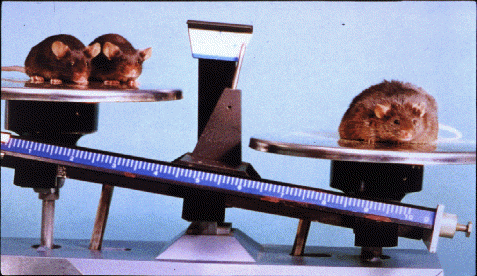 ob/ob mouse
Fat mouse cannot make leptin
Source unknown
The excitement's over, but keep these in mind. Tumor necrosis factor also induces them,
perhaps accounting for its thermogenic and weight-reducing effects
(Eur. J. Clin. Bioch. 29: 76, 1999). It may be possible to activate
them pharmacologically. Stay tuned.

{18645} muscle definition
The most sensible measure of body fat would seem to be the thickness of the triceps skin fold, and that is how it is generally measured (the cited upper limit of good ranges from 1 cm to 1 inch).
Rather than define "obesity" or "excess body fat", let's just review the problems that fat causes:
Many cultures consider body fat to be un-aesthetic on one or both sexes. Other (less well-fed?) cultures think it's gorgeous on one or both sexes.
Musculoskeletal problems (bad back, hips, knees) result from the sheer weight of fat. According to some studies, this is the most troublesome aspect of being fat (Br. Med. J. 301: 835, 1990). It's general knowledge that fat people have more muscle from carrying around the extra weight, and it's now confirmed that fat male teens have stronger bones for the same reason (J,. Clin. Endo. Metab. 98: 3019, 2013.
For some reason, obesity seems to contribute to high blood pressure, and losing weight makes high blood pressure easier to control. Nobody knows why (the explanations I've read seem pretty far-fetched.)
Fat is an endocrine organ, and when abundant produces a welter of hormones that are only now being sorted out. Lots of fat contributes to insulin resistance, and can unmask type II (insulin resistance) diabetes. This remains poorly-understood though there are many ideas.
Obesity somehow contributes to the development of gallstones.
The obese are more likely to get heat-related injury because of less surface-to-volume ratio than in the lean. Remember that much of the heating of the body comes from breathing the hot air.
Pseudotumor cerebri may result in part from the weight of fat on the right atrium increasing venous pressure in the head.
"Fat is the surgeon's enemy", making surgery more of a physical problem, and perhaps delaying healing (J. Am. Coll. Surg. 185: 593, 1997; idea dismissed Lancet 361: 2032, 2003 -- and the laparoscope has made this problem history when it's applicable Ann. Surg. 255: 228, 2012).
Very obese people have trouble keeping their airways open, especially during sleep ("Pickwickian syndrome" / "bad sleep apnea" / "obesity hypoventilation syndrome", not the whole story).
Obesity contributes to uterine cancer by enhancing activation of estrogens. (Supposedly. For the same reason, women with very little body fat do not menstruate and are at extra risk for osteoporosis.) By contrast, however, obese older women often have scanty or absent menstrual periods "because the fat binds all the estrogens". (* Sound dubious to you, too?)
Somehow obesity supposedly raises serum uric acid levels and increases the risk for gout.
It is harder for a fat person to keep the intertriginous regions of the skin dry and clean, and skin breakdown and superficial fungus infections are common here.
The physics of being fat may contribute to varicose veins.
Obesity supposedly also lowers HDL cholesterol as part of syndrome X. Wait until this is sorted out, and remember that exercise does help these folks.
Obesity supposedly causes left ventricular hypertrophy (JAMA 266: 231, 1991, maybe from extra work carrying all that bulk; I'm not aware that this is necessarily bad). In an autopsy series of 76 fat Texans, every one of them had a big heart using the unscientific criteria of "maximum 280 gm for women, 360 gm for men" (Arch. Path. Lab. Med. 132: 1397, 2008) -- the authors attributed this to "the high metabolic activity of excessive fat" and "cardiomyopathy of obesity"; your lecturer think both the cardiac changes and the also-described changes in the pulmonary vasculature (mostly veins) result from years of lugging around all that extra poundage. Being fat also correlates with lack of exercise and perhaps smoking and/or "stress"; all these (plus hypertension and diabetes) are "bad for the coronaries", and losing weight reverses some of this effect. Obesity pretty much disappears as a coronary risk factor when you control for high cholesterol, high blood pressure, smoking, diabetes, and lack of exercise. Ask your internist. (The claim that "fat makes the heart work harder because of the extra blood vessels" is a myth, since the heart is pumping the same amount of blood. You are lugging around more physical weight. The epicardial fat pads are NOT atherosclerosis.)
There's a popular claim that adiposity, apart from hypertension, diabetes, tobacco, and so forth is an independent coronary risk factor. It usually doesn't hold up to scrutiny (Am. J. Pub. Health 84: 14, 1994), or if it does, it's the abdominal adiposity (i.e., forget "Quetelet's index" and "the triceps skin fold" and just tell us you waist size.) It's true that really fat people seldom live to be very old. But even the latest "big study" (Ann. Int. Med. 138: 24, 2003) controlled for smoking but DID NOT control for high blood pressure, diabetes, or failure to exercise. And it's hard to control for the fact that somebody who's overweight may otherwise not be so health-conscious. Now Cambridge has decided after a mega-review of 58 studies that when you control for high blood pressure and diabetes, and lipids, the risk from "body mass index" and "abdominal adiposity" both vanish away (Lancet 377: 1085, 2011).
Given all the above, I have seen no clear evidence that being moderately fatter than the next person is, by itself, anything more than a cosmetic problem.
On the other hand, no reasonable person questions that morbid obesity (i.e., the sort of obesity that will get you a gastric bypass) is a health problem. It's now clear that the surgery greatly reduces one's chance of dying young (NEJM 357: 741 & 753, 2007).
NEJM 368: 446, 2013 reviews ideas about obesity.
There's also not much to support "pop" ideas that having a good breakfast, or shunning snacking,
or eating lots of fruits and vegetables will really help, or that the real problem is sidewalks,
or that habits learned in childhood are the main cause of obesity. Probably the grave
warnings about yo-yo weight loss / weight gain aren't really valid either.
What we DO know... Whatever the genetics, if you can get people to exercise it helps
tremendously. Enlisting help from the parents helps obese children.
Some drugs work really well, and bariatric surgery is a lifesaver for the very overweight.
Some "pop" ideas / easy answers about obesity probably aren't true.
Little lifestyle changes, setting little "realistic" weight loss goals,
waiting until patients are ready to diet, breast-feeding, having more gym class, and
having more sex aren't going to help with weight loss. I hope none of this surprises you.
The "being fat is bad for you" business continues. JAMA 298: 2028, 2007 looks at body mass index and actual cause of death, as somebody should have decades ago.
"Overweight was associated with significantly DECREASED [emphasis added] mortality from noncancer, non-CVD causes, but not associated with cancer or CVD mortality." (So I've been right all along in telling folks that "being a little bit overweight isn't bad for you.") And so forth. Now that food is plentiful almost everywhere and people don't exercise so much, in a study in Asia, underweight is now a strong predictor of increased mortality everywhere (go figure, they are already seriously sick), while overweight seems to predict some increased mortality in Southeast Asia but not India or Bangladesh (NEJM 364: 719, 2011).
"I told you so." Yet another JAMA multi-mega review (309: 71, 2013) "overweight was associated with significantly lower all-cause mortality."
We've been right about cancers that are considered obesity-related (postmenopausal breast, endometrium colon, kidney, esophagus), but it only matters in the very obese.
Obesity is less associated with CVD mortality now than in the past. (This tells me folks are watching their diets and taking their medication.)
You can read up yourself on "obesity as the cause of systemic inflammation"; the hormonal milieu is different, and we already know this contributes to diabetes and perhaps to hypertension, Alzheimer's, and goodness-knows what else. Obviously we did not evolve in conditions of unlimited food supply like we have now, and obesity being new can't be entirely beneficial. There's an easy introduction in Nature 447: 525, 2007 ("The Two Faces of Fat") -- a stuffed adipocyte is hormonally unlike a lean adipocyte.
And as you continue thinking, remember the sumo wrestlers. They have massive body fat deposits, and also exercise intensively. And they do not deposit fat in their organs, or have insulin resistance, or hyperglycemia (Hormone Metab. Res. 28: 440, 1996), or extra hypertension, or any other obvious long-term health problems (Med. Sci. Sport. Exerc. 39: 688, 2007), and in fact the dilation of their hearts seems to be a healthy adaptation to an extreme lifestyle (Am. J. Cardio. 91: 699, 2003). The ONE special risk to sumo wrestlers is that when they get mat-abrasions ("friction dermatitis"), it's deeper because of their weight (Contact Dermatitis 58: 374, 2008).
When someone asks me, "Doctor, what is my ideal weight?", my "unscientific" answer is, "Whatever looks and feels right to you".
HUNGER IN THE U.S.
Malnutrition is a common finding in the chronically sick (who may have malabsorption, may not feel like eating, may not be able to afford good food, or may need help that is not available)
In alcoholism, look first for folate and thiamine deficiency and protein-calorie malnutrition. Vitamin A and vitamin B6, listed in "Big Robbins", are less obvious. The two cases of scurvy that I picked up as a medical student were both in chronic alcoholics.
Poverty, ignorance, stupidity, faddism, indifference and child abuse are the causes of malnutrition of healthy children. Simply putting single moms on the dole does not help if they are physically or mentally sick or substance-abusing (Am. J. Pub. Health 94: 109, 2004 -- documents what has long been common knowledge.) Prosecuting Texas parents who starve their children on a goofy fad diet: Pediatrics 116: 1309, 2005.
WORLD HUNGER (See CMAJ 173: 279, 2005): Still our world's most serious problem.
As used by social scientists, POVERTY means a total income less than three times the cost of a healthy, varied diet. ABSOLUTE POVERTY means a total income less than the cost of a diet sufficient to allow the person to work at his or her maximum capacity. Presently, one human being in seven lives in absolute poverty. The DEMOGRAPHIC TRANSITION is the transformation of a society from high-birth-rate, high-mortality to low-birth-rate, low morality, along with all the changes that happen as a result (adequate nutrition, peace, safety, more opportunities to lead satisfying lives, public health, a cleaner environment, the rule of decent law).
KCUMB students: The rest of this handout is "totally for your information" rather than the upcoming exam. Don't be surprised if it impacts not only your discussions with friends, or even your own future.
It is very difficult to 'love thy neighbor' when basic resources such as clean water, energy, land, work, health care, and food are severely limited. These resources become daily more scarce because of the policies of the leaders of [---] and [---]. A huge "underclass" exists on a global scale and is evolving even within the richest nations. To organize an equitable distribution of basics worldwide seems impossible; and we face a future of even more nationalism, racism, ethnic and religious fanaticism, and ecological disaster. How to solve these problems nobody knows, but one thing is clear -- that the larger the world population, the more difficult it will be to achieve peace and justice on earth.
-- Lancet 342: 473, 1993 (read it all)
Neglect of an effective birth control policy is a never-failing source of poverty which in turn is the parent of instability and crime.
-- Aristotle, "The Politics", c. 334 B.C.
All wars arise from population pressures.
-- Robert Heinlein
Beyond a critical point within a finite space, freedom diminishes as numbers increase. This is as true of humans in the finite space of a planetary ecosystem as it is of gas molecules in a sealed flask. The human question is not how many can possibly survive within the system but what kind of existence is possible for those who do survive.
-- Frank Herbert, "Dune"
| "Big Robbins" eloquently describes the problem of people simply not having enough to eat. There is a great deal of bad information about the causes and possible remedies for world hunger, and there are many opportunities for people with agendas to lie with statistics. |
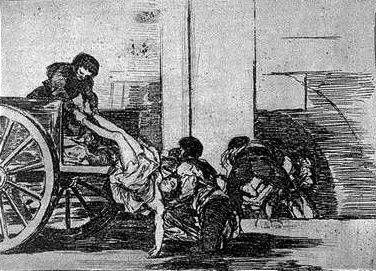 Goya, "Famine" |
The most important event of the twentieth century was the DEMOGRAPHIC TRANSITION, the change throughout much of the world from high-fertility and high-mortality to low-fertility and low-mortality. In a majority of today's nations, people now have a reasonable expectation of living, and having their children live, through healthy middle age. And there is far greater personal security and many more opportunities for a person to choose his or her path through life. Antibiotics, safe surgery, sanitation, immunization, and reliable birth control have made this possible. And of course real democracy is at the heart of the change. As a result, fertility drops to zero-total-growth. Today, the populations of the US, Northern Europe, and Australia-New Zealand grow only by immigration. And as once-poor countries such as Mexico, Brazil, India, and Indonesia industrialize, the fertility rate has been dropping dramatically.
In 2008, the highest fertility rates were in the poorest nations of sub-Saharan Africa, with 48 births / 1000 population each year. Even with enormous childhood mortality, populations will double every 25 years or so. Palestine, Afghanistan, and Yemen also have very high birth rates. In the Western Hemisphere, Haiti, Guatemala and Bolivia have the highest rates. Each of these nations has special problems that have prevented the demographic transition. The lowest birth rates (around 8 per 1000) are in the emerging Soviet-block nations, with older populations and transitionining to a first-world economy.
In 1950, half the people in the world went to bed hungry. Today, only about 1 person in 7 goes to bed hungry. In 1960, the average person got 1900 calories per day; in 2000, it was up to 2700. In the developing world, grain production per capita has grown from 155 kg/person in 1960 to 225 kg/person today; the rise has been basically steady. Much of this is the result of the "green revolution" of the 1970's that developed and introduced strains of staple plants that grow more food when subjected to intensive irrigation and fertilization.
* We are often told that the prosperity of the developed nations (including the health and opportunities that we enjoy) is built upon, and depends upon, the poverty of the rest of the world. This is dogma in many "progressive" circles. And it simply does not square with the facts. It's true that many countries use natural resources to produce luxury goods for export while they still have hungry citizens. But this contributes very little to the prosperity of the developed world, which is based on the rule of law and government policies that promote a strong economy and opportunity for anyone willing to work hard. No one benefits from hard-working gets you nothing (or gets you in trouble or dead) -- a fact that apologists for tyrants simply ignore. More on this below.
Only a fool or an ideologue could believe that we could feed our 6+ billion people without chemicals and other technology. And the Green Revolution has not been without its problems. Radical irrigation programs have contributed to the expansion of the world's deserts. So has the kind of overcultivation that leads to the washing away of soils. And even fertilizers, of course, damage soil over the long run. You'll hear many different claims about just how serious this is; I have noticed that very little is being written in refereed scientific journals about soil depletion as a long-term threat. I do expect that there will be some new conflicts over water availability in the next decade, especially in India, Pakistan, North China, and the Middle East. When (not "if") we run out of petroleum, we will need an alternative source of cheap energy to continue producing fertilizer. (I'm hoping for controllable nuclear fusion, but this may never be possible. Perhaps I'll live long enough to see construction begin on the huge solar panel in the Sahara...)
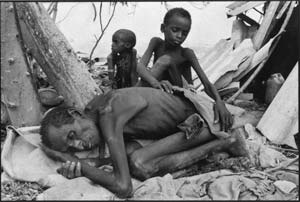 Somalia, early 1990's | The bottom line is that in today's world, all hunger is political. Until 2007, there was a global food surplus, i.e., plenty of food to feed everyone, including the children. The problem was in the distribution -- and herein lies the ongoing problem. Today's world food shortage should be remediable in the short-run, but the problems remain the same, and will only get worse as long as it is in the interest of people in the poor nations to have large families. Yes, it's baffling (J. Am. Diet. Assoc. 103: 1046, 2003) -- especially if you don't think the near-unthinkable -- and realize the truth. Right or wrong (or neither), hunger remains the major means of keeping people under control throughout the poor nations. Wherever there is widespread hunger, it is because people with guns are preventing good people from the rest of the world from bringing in food. |
Most of the suffering is borne by children (Br. Med. J. 304: 1423, 1992); in fact, as recently as the 1980's, around 40% of the children in the developing world died before reaching age 5 (Med. J. Aust. 154: 227, 1991), and in the large majority of cases, malnutrition is at least a major contributing factor. How the new, more-effective UNICEF does its work today: Lancet 364: 1801, 2004. (New term: a "complex emergency" means a war using hungry civilians as pawns.)
The world population is growing by perhaps 80 million per year, almost entirely in the poor nations. In some poor countries, population has historically doubled every 17 years (Lancet 33: 1705, 1990), with hunger providing the principal brake on an even more rapid rate of increase. The U.S., Canada, Northern Europe, and Australia have populations that grow only by immigration. We learn with hope of a spectacular drop in fertility during the 1990's throughout the historically poor nations of East Asia and Latin America as young adults see a future of greater economic opportunity and personal freedom in the new democracies. We can hope that someday that this will be true everywhere. In countries in which the average woman has 7 children and there is 40% chld mortality, the population still doubles every 25 years (Science 266: 771, 1994). In Jamaica (in our own back yard), simply alleviating hunger in the classroom makes for vast improvements in learning (Am. J. Clin. Nut. 67: 790-S, 1998).
In the early 1990's, health care and quality-of-life standards plummeted as sub-Saharan Africa went broke (Lancet 345: 182, 1995). There was talk about "the malthusian ceiling" being approached (Lancet 341: 669, 1993). And not surprisingly, famine, epidemic disease, and race wars ("ethnic conflicts") followed. In the early 1990's, the single country with the worst numbers was Rwanda (Br. Med. J. 311: 1651, 1996); we all saw what happened. In the 1994 edition of these notes, I predicted the explosion in Sierra Leone, which soon followed and which the world ignored. (The "rebels" in this weird war had a special fetish for performing machete amputations on children. War crimes trial began 2004.) Likewise, the world has ignored the ongoing war in the Congo despite many millions of deaths, mostly civilians caught in fighting between rival warlords. The Taliban kept the ordinary people of Afghanistan under-nourished (JAMA 286: 2723, 2001). In the past few years, several of the sub-Saharan countries have made dramatic turn-arounds. In 2000, crop failures in Ethiopia were massive but there was no famine as the world relief agencies were able to come in unhindered (JAMA 286: 563, 2001; Lancet 358: 498, 2001; Lancet 362: 1808, 2003). Rescuing children from famine in Guinea-Bissau: Am. J. Clin. Nutr. 80: 1036, 2004. At the same time, Kabila's famine claimed the lives of at least 2.5 million people in the Congo alone, where misgovernment, population pressures, famine, economic collapse, and civil war perpetuate one another. Then came Mugabe's famine in Zimbabwe, Mwanawasa's famine in Zambia, the genocide in Darfur (NEJM 351: 2574, 2004; Br. Med. J. 330: 110, 2005; Lancet 364: 1315, 2004; JAMA 293: 1490 & 2212, 2005), and the Niger famine (the world's poorest country; the aid from 2004 was taken by profiteers and sold to the highest bidder: Lancet 366: 1067, 2005; the ongoing problem Lancet 375: 1151, 2010; Lancet 376: 579, 2010.) Starvation in "the new South Africa": Lancet 363: 1110, 2004. Eritrea refused to accept food aid in 2009 in the hopes of getting its excess population to emigrate to Ethiopia and Somalia. The rest of the world does not even seem to be paying attention. The 2010 Sahel famine: CMAJ 182: E555, 2010; finding donors proved extremely difficult. A drought precipitated the famine in the Horn of Africa from 2011-2012; and in the Sahel in 2012.
The world has only recently begun talking straight about the problem, especially in sub-Saharan Africa. Even today, there are still outcries from extremists on both Right and Left against condom distribution. (The last bastion of anti-condom activism now resorts to obviously false claims, i.e., that sperms and HIV viruses easily penetrate the membrane: Nat. Genet. 9: 1443, 2003). Events like the 1992 "Earth Summit" produced enormous documents about how to "conserve the environment", "maintain wilderness areas", and "preserve species diversity" while keeping strict politick silence on population growth to please certain powerful politician-ideologues. One spectacular change was the embracing of thoughtful population-control policies by mainstream Islam: Lancet 343: 583, 1994. The Islamic Republic of Iran has a longstanding, extremely strong and highly successful family-planning program: Stud. Fam. Plan. 31: 19, 2000.) The taboo about talking of population: Br. Med. J. 315: 1441, 1997; even in 2008, a realist points out that you're still not allowed to say, "People shouldn't be having babies they can't feed" (Lancet 372: 206, 2008 -- this even has a name "The Hardinian taboo").
The era of cheap food is over. In the past year, the cost of wheat has risen by 130%, rice by 120%, with corn and soya not far behind. As a result, millions of people are starving.... After the collapse of the US housing market, investors are ploughing trillions of dollars into commodities, such as food and raw materials, resulting in a "commodities super-cycle" where commodity price inflation feeds on itself leading to hugely inflated prices.... Biofuels once perceived as the green alternative to fuel have recently been discredited. After the agricultural displacement effects of these fuels are taken into account, emissions from biofuels are many times worse than those from fossil fuels. Yet in the drive to make the USA self-sustaining for fuel production, massive ethanol subsidies and millions of acres of American corn have led to a boom in biofuels. American cars now burn enough corn to cover the import needs of 82 food-deficit countries...
-- Lancet 371: 1389, 2008
Disaster struck in late 2007, with the sudden skyrocketing prices of basic foodstuffs (which had already been rising for a few years as investors saw the coming "opportunity" presented by a hungrier world -- BMJ 336: 1336, 2008.) In early 2008, there were food riots among the poor throughout much of the developing world. Especially hard-hit were Burma / Myanmar (which had just been devastated by a cyclone), North Korea, most of East Africa, Afghanistan, and Tajikistan. Nina Fedoroff, George Bush's administrator for the US Agency for International Development, gave what I thought was a halfway fair account -- a combination of using grain for biofuels (J. Am. Diet. Assoc. 107: 1870, 2007 -- producing 25 gallons of ethanol for fuel consumes 450 lb. of corn, enough to feed a poor man for a year), a lack of fertilizer in the poor nations, and most of the world's misguided rejection of genetically modified crops (Science 320: 425, 2008). Notice that this is a reversal from Bush's call in his 2007 State of the Union address for a fivefold increase in the production of biofuels in the next ten years. Understandably the spokesperson did not point out the rest of the ugly truth. She didn't mention the ongoing population explosion in the hungry nations, or the likely impact of global warming on weather, or the US sub-prime mortgage fiasco of 2007 that drove investors into the commodities market ("the commodities boom"), doubling the prices of food in the poor nations (Lancet 371: 1648, 2008; J. Am. Diet. Assoc. 108: 615, 2008). Things are unlikely to improve much in the near future -- in the developing world and in the United States. And in the meantime, the high prices of both food and fuel to deliver it have caused a massive drop in the ability or willingness of the rich nations to deliver food aid (BMJ 336: 1397, 2008).
| Following Virchow, and most reasonable people nowadays, I still place most of the blame for today's world hunger and overpopulation on misgovernment in the poor nations. Today's medical literature is no longer keeping silent, either: Lancet 359: 2030, 2002. The economic disparities between rich and poor in today's kleptocracies far exceeds those under colonialism. Too many countries are still governed by hoodlums toting cast-off U.S. and Soviet-made machine guns. Governments are indifferent to the well-being of the governed, and "aid for International Development" usually hasn't reached the poor (Br. Med. J. 311: 72, 1995). Our military campaign in Somalia ("Operation Restore Hope") was undertaken to end a famine, and ended with our realizing the horrible truth -- tyrants don't want famine to end. See JAMA 272: 386, 1994, CMAJ 149: 1522, 1993; Lancet 342: 190, 1993. In the late 1990's, Zimbabwe's Mugabe collapsed his own country's economy by calling for "justice" and seizing the productive land for his family and friends (CMAJ 163: 1616, 2000; Lancet 359: 455, 2002). And in 2002, during a famine in his country, Zambia's president Levy Mwanawasa simply impounded the maize that the US donated and let it rot. Of course, he claimed to be outraged because the maize had been genetically modified, just the same as people in the United States and Canada eat every day. ("I refuse to allow my people to be used as guinea pigs." "There's no justification for feeding people 'poison'." "We may be poor and experiencing severe food shortages, but we aren't ready to expose our people to ill-defined risks.") See Lancet 360: 1261, 2002, and draw your own conclusions. In 2008, a "complex emergency" caused famine in Ethiopia, and when Unicef called for desperately-needed food aid, the Ethiopian government called them liars (BMJ 336: 1397, 2008). |
 The US intervention
|
Under this misgovernment, a large family offers the only economic security or opportunity for personal satisfaction, and a family's survival often depends upon child labor (especially in rural areas, Sci. Am. 272(2): 40, 1995). Here only 1 couple in 3 uses any kind of birth control (reports vary widely, though, from nation to nation; for example, in Nigeria the large majority of teenaged girls are sexually active, only 5% have ever used a modern contraceptive, and 25% have had an elective abortion: Lancet 345: 300, 1995 -- the figures have probably changed little). Most rich and most poor people want access to birth control, regardless of their religion (Lancet 342: 447, 1993; article contains blunt talk); yet certain religious denominations use their political clout in the poor nations to make this hard-to-get (Lancet 342: 473, 1993; more blunt talk; this article sparked a fire-storm and was part of the basis for review by the Islamic leaders). Especially as we face climate change, physicians have issued strong calls for universal access to family planning (BMJ 337: 247, 2008)
Overpopulation, hunger, and poor health clearly work in the interests of the hoodlum governments. On the flip side, the people now running most of the world (i.e., the capitalists of the global economy) are quite content with widespread poverty and hunger, since it keeps labor costs down in the sweatshops where the poor people make the rich people's luxury goods.
In addition to overt protein-calorie malnutrition, hungry people are more subject to a host of
infectious diseases, including measles, malaria (Am. J. Trop. Med. 71(S2): 55, 2004),
and the parasitic infestations.
As with all discussions of science and policy, public discussion of world hunger is marred by disinformation campaigns by the "right", the "left" and the "greens". In particular, you will hear the current "green / animal rights / vegetarian" claims that world hunger is caused largely by animal farming. Historically, it was clearly not true (Nature 355: 582, 1992), and the disinformation campaigns transparently false (Sci. Rev. Alt. Med. 1: 36, 1998). One reason among many for rising cereal prices over the past few years has been the increasing taste of the new middle-classes in China and India for meat (BMJ 336: 1336, 2008). However, the effect seems to be minor compared with the biofuels fiasco and overpopulation. It is still dogma in many left-wing circles that cattle ranching in the United States is the basis of both world hunger and global warming. And this is still obvious disinformation. What do you plan to do with semiarid range land if you do not raise grazing animals? Think about the alternatives (i.e., millions of unmanaged herd animals, dying of old age and rotting where they fall -- while hungry children starve in the rest of the world. What's this about "cruelty"?) And even the one scientific publication I could find on the subject of methane in cattle flatus causing the greenhouse effect estimated the contribution at "a little less than 2%" of the total (J. Animal Sci. 73: 2483, 1995). And the much-missed buffalo herds didn't f*rt? And so forth, ad nauseam.
Of course, ideology has had a terrible impact on global hunger. The greatest famines of modern times were brought about by the stupidity of the Communist superstates. Stalin's biology guru was Thaddeus Lysenko, a left-wing kook who was repelled by scientific biology's vision of a competitive world (too much like capitalism). Lysenko (and Stalin) believed that "living things strive for higher perfection" (harmony-in-nature, cabbages want to be good socialists, etc., etc). Stalin killed the bioscientists who dared to disagree. Lysenko's beautiful mysticism led to moronic agricultural policies (much of Russia was planted with crops -- including some weird hybrids -- that could not possibly have grown where they were planted), enormous crop failures, and the deaths of around 10,000,000 Soviets. The Holodomor ("extermination by hunger") was a Soviet-made famine that caused the death of about 7.5 million Urkainians in 1932-3 -- Stalin's people seized the food supplies. During Mao Zedong's "Great Leap Forward" in 1959-1961, between 36 and 50 million Chinese died as a result of similar ill-advised land-management policies, frustrating Mao's intention to overpopulate China and use the surplus as cannon-fodder as he had done so successfully in the Korean war. (The awful population increase came later, with government policies encouraging large families.) Mao sought (as he put it himself) to "conquer nature". Mao actually announced that he was going to exterminate sparrows and field mice. Lysenko sought "harmony with nature". Neither actually UNDERSTOOD nature. I'd welcome a talk in lab (instead of doing a patient case) on this important topic. The North Korean famine of the 1990's was also caused by government policies that seem to be deliberate: Lancet 345: 291, 1999. They named it "the arduous march" and "honored the people who suffered bravely." Now they are doing it again (Lancet 379: 602, 2012). Al Shebab, an extremist pseudo-Islamic group that controlled much of Somalia until late 2012, actively prevented food from being delivered after the 2011 drought, prevented a people from leaving, and killed dozens of relief / health-care workers, i.e., this was planned genocide (Lancet 378: 17, 2011; BMJ 343: d4696, d6729 & d4949, 2011). Less ideological... Saddam Hussein prevented good people from bringing food to Iraqi children in order to mobilize world opposition to sanctions against his regime: Ann. Int. Med. 132: 155, 2000; Lancet 355: 1851, 2000. And malnutrition among Palestinian children in the Gaza strip is far worse than in most other poor nations (Br. Med. J. 325: 1057, 2002). Again, this is orchestrated by politicians for show.
The answers to world hunger have come from science, reasonable security, and reasonable freedom. Mainland China's introduction of limited free enterprise resulted in greatly increased agricultural output. Food production literally doubled as soon as individual farmers were allowed to manage their own farms and make a small profit; Vietnam had the same thing happen beginning in 1986, when private farming replaced collective farming. China became self-sufficient in the 1990's, feeding 1/5 of the world's population on 1/15 of the farmland. The result was substantial growth for its children (NEJM 335: 400, 1996), especially in the capitalist urban zones, though the socialist rural zones are still lagging.
In Cairo (1994, review Lancet 353: 315, 1999), most of the world (even the kleptocracies) paid lip-service to population control, sought cost-effective forms of birth-control and laughed (publicly) at the anti-contraception religionists. Curiously, delegates didn't complain much (though some did) about "Western cultural imperialism" as the cause of the worldwide "redefining of sexual roles" (i.e., a woman can decide whether or not to have sex before marriage, who and whether she will marry, and about birth control inside or outside of marriage). We'll hear about the "Cairo Mandate" in the future, and it may help.
| I would prefer real democracy (i.e., the ability of the world's poor to force their governments to become representative) to any other solution. You will need to decide for yourself about the current left-wing "good cause" of debt-relief without accountability for past or present kleptocracies, in the hopes they will pass the benefits along. The late unlamented Mobutu Sese Seko's $5 billion dollar estate would be enough to pay the foreign debt of the Congo, the nation that he looted during his decades in power. The Africans themselves will tell you that "neoliberal policy" (i.e., the developed nations providing financial support for the corrupt governments) has been a major cause of the declining standards of health and nutrtion, and that the current "debt relief initiative" is just more of the same (Int. J. Health Serv. 33: 607, 2003). By contrast, debt relief for governments that actually give evidence of governing responsibly and caring for their people is a policy that has been in place for a decade, supported by a major act of Congress and occupying much of the focus of the International Monetary Fund and World Bank (Health Policy & Planning 18: 138, 2003; Bull. WHO 80: 151, 2002). |
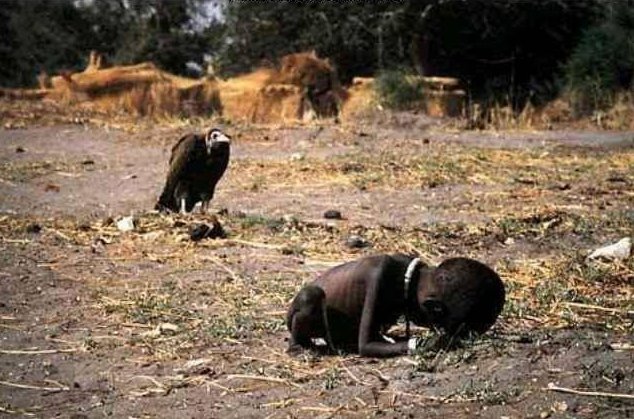 Sudan, 1994. A vulture waits for a child to die. |
The generally-left-wing anti-hunger group Oxfam has taken the position that it's best to have the governments of the poor nations, rather than private donors, provide health care to the needy, i.e., give the governments the money (BMJ 338: b667, 2009). They note that the worse the health care in a poor nation, the greater involvement of private individuals, NGO's and the World Bank. The "Oxfam fallacy" is obvious -- the poorer the care provided by governments, the harder good people work to make up the difference. Go figure. On Oxfam, see also BMJ 338: b1202, 2009 and "The Economist" Nov 7, 2006 ("economic illiteracy" behind Oxfam's campaign against Starbuck's). Over the years, Oxfam has taken widely varying positions on biotech crops, to my eye as the political winds shift. All this would be a subject for a good report in lab.
In the next decade, pay special attention to individual nations, and how government policies affect hunger. When individuals are guaranteed the right to their own land and to the profits from farming, the demographic transition will take place, and the world will be astonished. When governments (using whatever excuses) interfere, expect continued famine. I would hope that the world financial institutions do what they can to make governments choose the right path for their people. Ultimately, I would hope for a world in which it is the norm for people to be able to find satisfaction, fulfillment, and security without having babies they can't afford to raise, and enjoy a reasonable chance for a healthy life. Dr. Virchow's prescription of "true and complete democracy" is also my prescription. There has never been a famine in a real democracy, no matter how poor. Democratization requires breaking the cycle of poverty, tyranny, corruption, maladministration, frustration, violence, and stupid right-wing and left-wing ideologies. Can this happen? After 30 years as a physician, I think I'm finally seeing it. And so do others (Am. J. Pub. Health. 90: 1838 & 1841, 2000). But I do know that physicians are the natural leaders in understanding and clarifying the problems that cause world hunger, and in finding solutions.
If, of all words of tongue and pen,
The saddest are, "It might have been,"
More sad are these we daily see:
"It is, but hadn't ought to be."
--Bret Harte, parody of Whittier
LAST STUFF
Irradiating food to kill microbes is a well-established technology and is obviously safe. For decades, the anti-nuclear movement, and particularly "Public Citizen", successfully blocked radiation of food, even though it will go a long way to prevent the 2000-odd annual US deaths from salmonellosis and lower the 20% spoilage loss of food in the poor nations. Of course, the problem was ideology (and of course expense), rather than any realistic health dangers of "nuked food". "Environmentalist" broadsides merely cite the possibility of a radiation leak (so should we close down the cesium-137 treatment units in hospitals, Ralph?), and alleged production of trace amounts of a single suspected carcinogen (so are you going to stop eating pepper, Ralph?) Even the folks who have found "scientific evidence" of the health risks of such things as agent orange and electrical power lines never published on this. For reviews, see JADA 96: 59, 1996; Am. Fam. Phys. 47: 1064, 1993. Dairy Queen introduced nuked burgers in the early 2000's, and thankfully this attracted almost no attention from the mainstream. My most recent search (2007) showed no identified real hazards to humans; irradiating ground beef to prevent E. coli outbreaks is widespread and again is receiving almost no attention.
We have already reviewed "Diet and Cancer" under "Neoplasia". The material in "Big Robbins" is highly speculative. The results are so confusing (for example, in 2008 we have beta-carotene INCREASING one's risk for lung cancer) that you're unlikely to be tested on the subject on licensure exams.
The relationship of diet and colon cancer is once again up for serious questions, with the failure of the last several studies to confirm the traditional wisdom that low-roughage, high meat diet is carcinogenic. More about this later.
High animal-fat diet was never plausibly linked to breast cancer, and the idea now seems to be discredited. (More about this later.)
A group in Hawaii looked at lung cancer and found no correlation whatever with anything whatever in the diet (Arch. Env. Health. 48: 69, 1993).
The epidemic Chinese throat cancer has been tentatively linked to ingestion of a fungus-rich, pickled salt-fish ethnic delicacy.
Bad diet (lots of iron, lots of aflatoxin) conspires with hepatitis B infection to produce liver cancer in poorer nations.
Women who have very low levels of vitamin A are supposedly at greater risk for breast cancer, but beyond this, there's no apparent benefit from extra vitamin A in preventing breast cancer. No relationship between vitamin C and breast cancer could be found (NEJM 329: 234, 1993).
* A huge study in a Red Chinese population with a tremendous prevalence of esophageal and stomach cancer found a small reduction of these tumors in patients supplemented with tablets containing vitamin A, vitamin E, and selenium. No effect was demonstrated for retinol plus zinc, riboflavin plus niacin, or vitamin C plus molybdenum. JNCI 85: 1483, 1993.
* Calorie restriction in experimental animals, notably Li-Fraumeni mice, delays the average onset time of their cancers. Nobody has any idea why, unless perhaps epithelial cells turn over less in hungry critters (Proc. Nat. Acad. Sci. 91: 7036, 1994).
NOTE: Do yourselves a favor and read a chapter on nutrition in a good "path" book. I especially
recommend the sections in "Big Robbins" on diet and systemic disease, and diet and cancer, for your
own interest. Decide for yourself about the questions raised, after reviewing the evidence in the
references. If you want nitrites removed from food, please either get hot dogs banned altogether or
find another way of preventing
botulism.
I believe "Big Robbins" is being over-cautious in
questioning the usefulness of dietary modification in preventing and reversing atherosclerosis.
NOTE: In recent years, the single clear instance of "a poisonous chemical in our food" was 1,1'-ethylidenebis[tryptophan]. This impurity caused the gruesome eosinophilia-myalgia syndrome in hundreds of health food store patrons (Review: Mayo Clin. Proc. 66: 535, 1991).
BIBLIOGRAPHY / FURTHER READING
I urge anyone interested in learning more about this topic in pathology to consult these standard textbooks.
In my notes, the most helpful current journal references are embedded in the text. Students using these during lecture strongly prefer this. And because the site is constantly being updated, numbered endnotes would be unmanageable. What's available online, and for whom, is always changing. Most public libraries will be happy to help you get an article that you need. Good luck on your own searches, and again, if there is any way in which I can help you, please contact me at scalpel_blade@yahoo.com. No texting or chat messages, please. Ordinary e-mails are welcome. Health and friendship!


Ed says, "This world would be a sorry place if people like me who call ourselves Christians didn't try to act as good as other good people ." Prayer Request

| If you have a Second Life account, please visit my teammates and me at the Medical Examiner's office. |
Teaching Pathology
 Ed's Pathology Review for USMLE I


 | Pathological Chess |  |
 |
Taser Video 83.4 MB 7:26 min |
 |
Click here to
see the author prove you can have fun skydiving without being world-class. Click here to see the author's friend, Dr. Ken Savage, do it right. |


 Trauma / Environmental / Nutritional
 Vitamin A deficiency
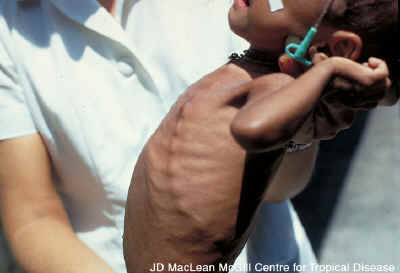 Scurvy
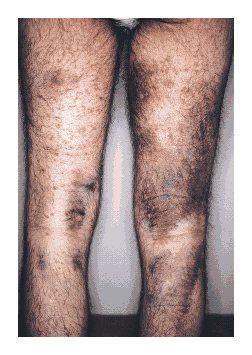 Scurvy
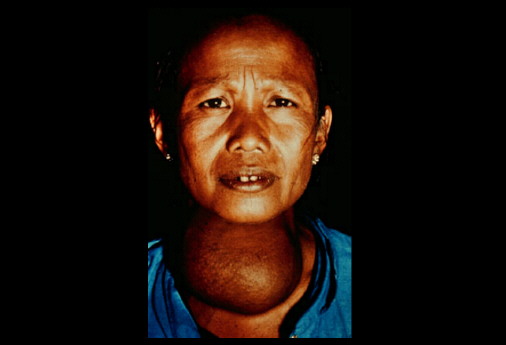 Iodine deficiency